-
Manhattan, Brooklyn and Queens
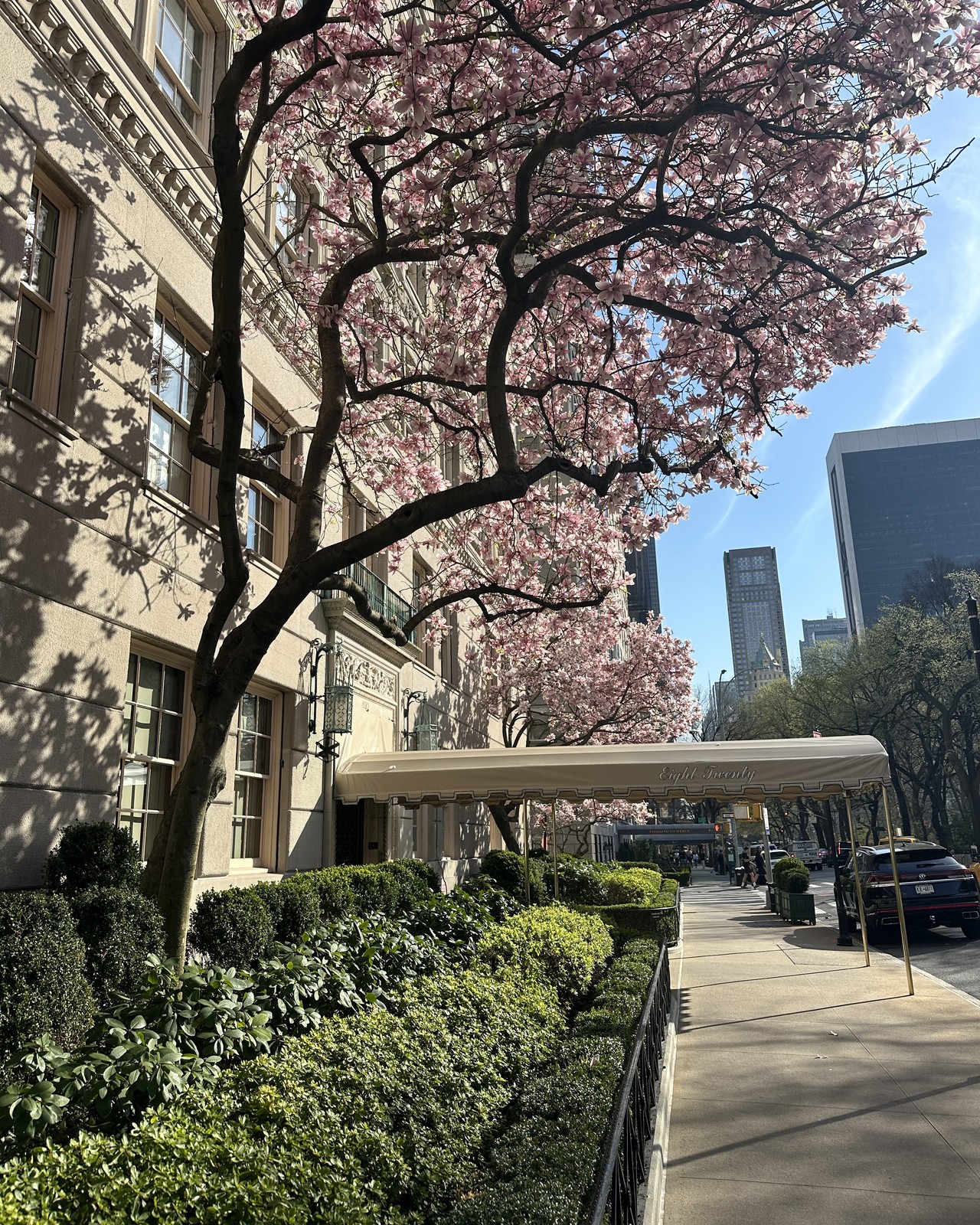
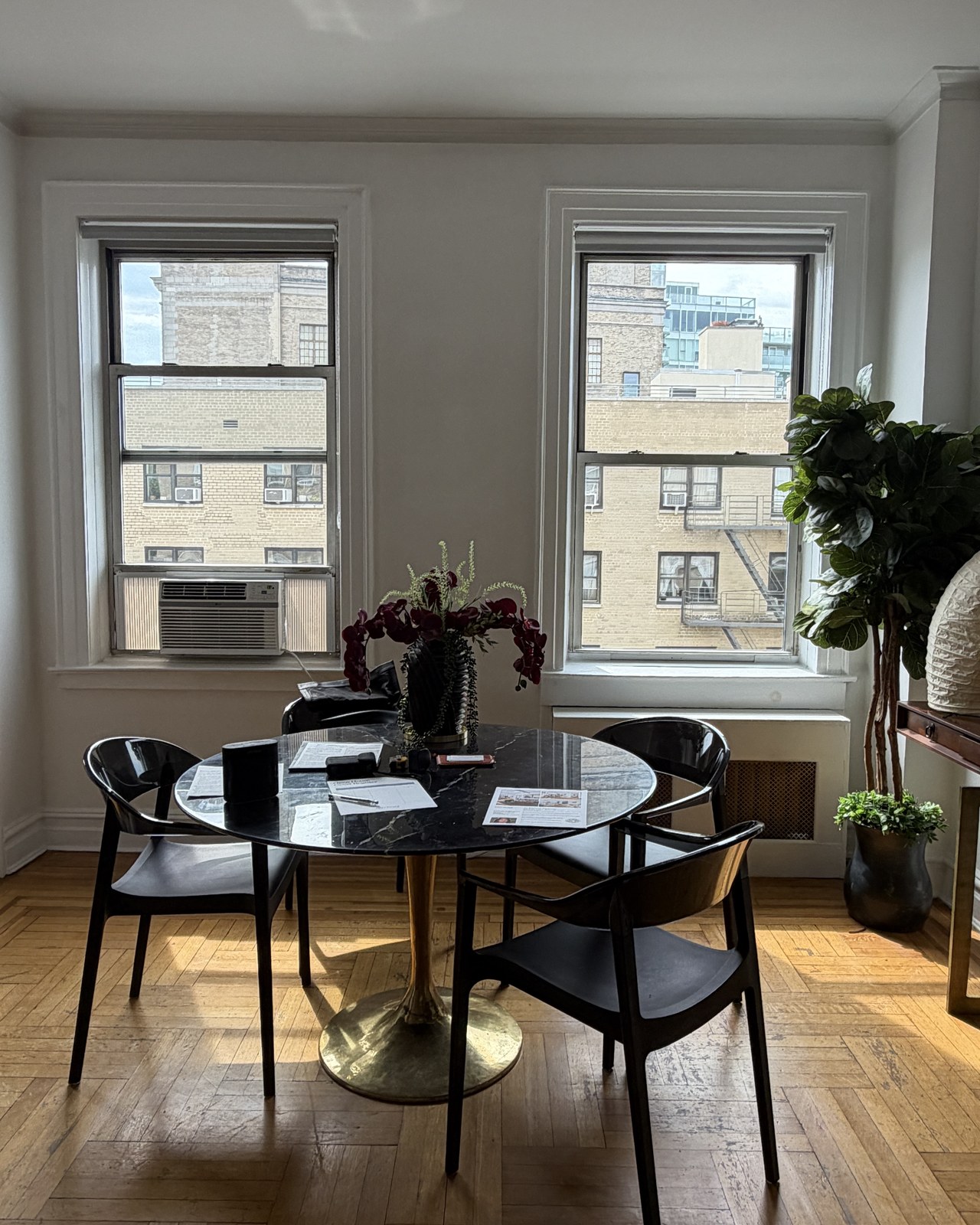
(Manhattan)18 neighborhoods · swipe or dragUpper East SideThe co-ops off Fifth and Park with their famous boards, the newer condos toward the river, and the neighborhood where most of our business happens.
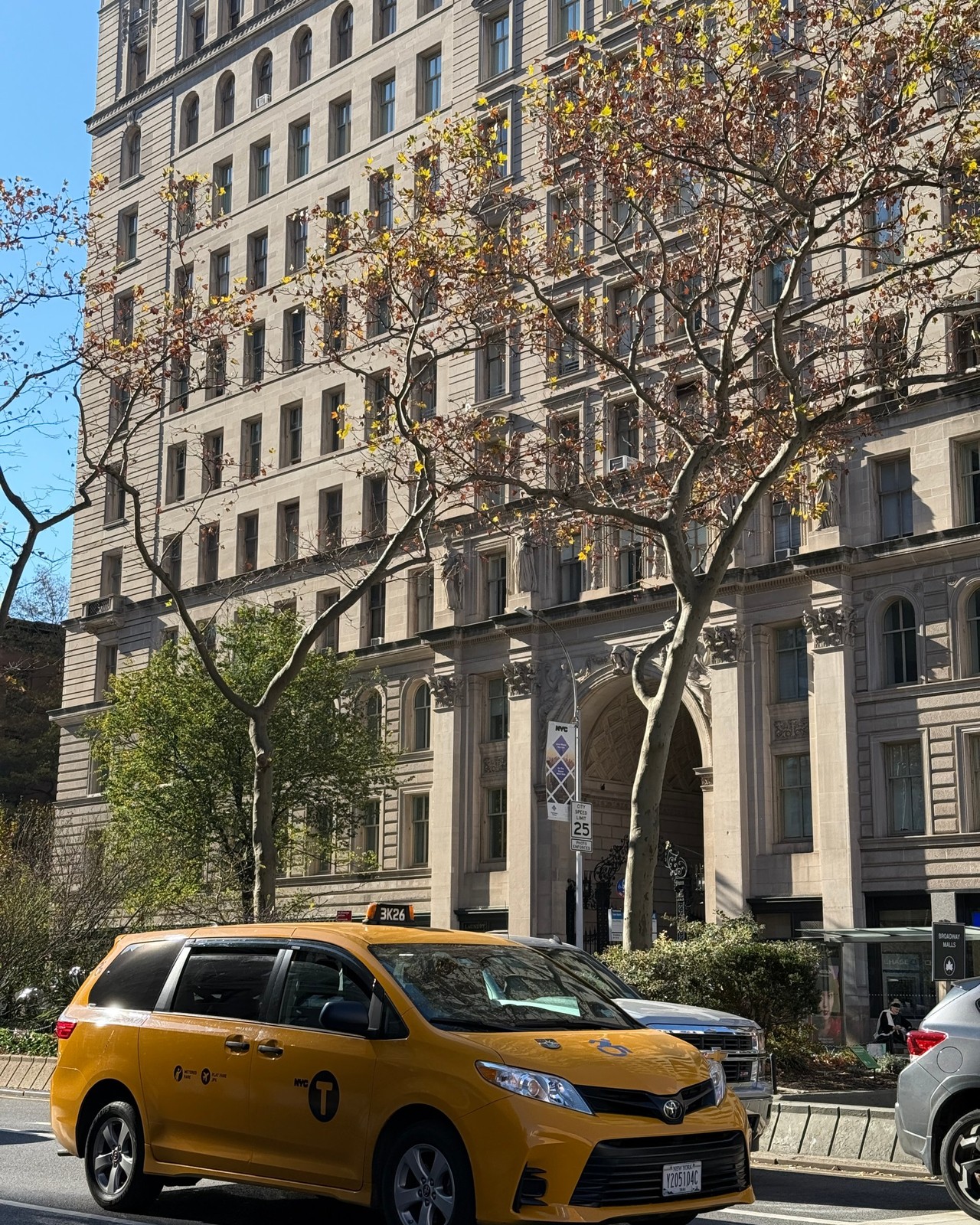
Upper West SideCentral Park on one side, Riverside on the other, and in between the big prewar apartments that people still move here for.
Gramercy ParkA private park, the buildings that hold its keys, and the quieter blocks around them where the keys do not come included.
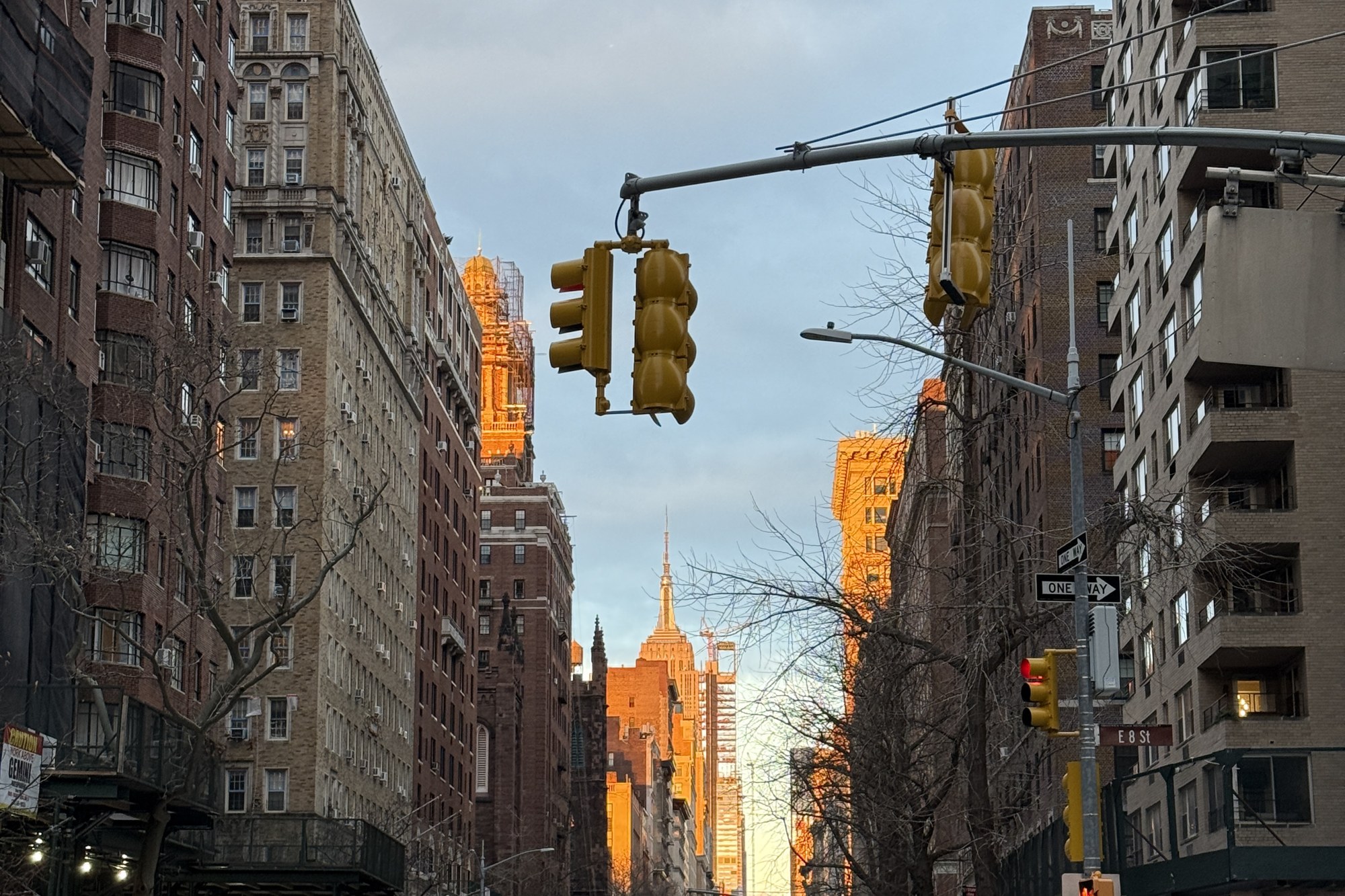
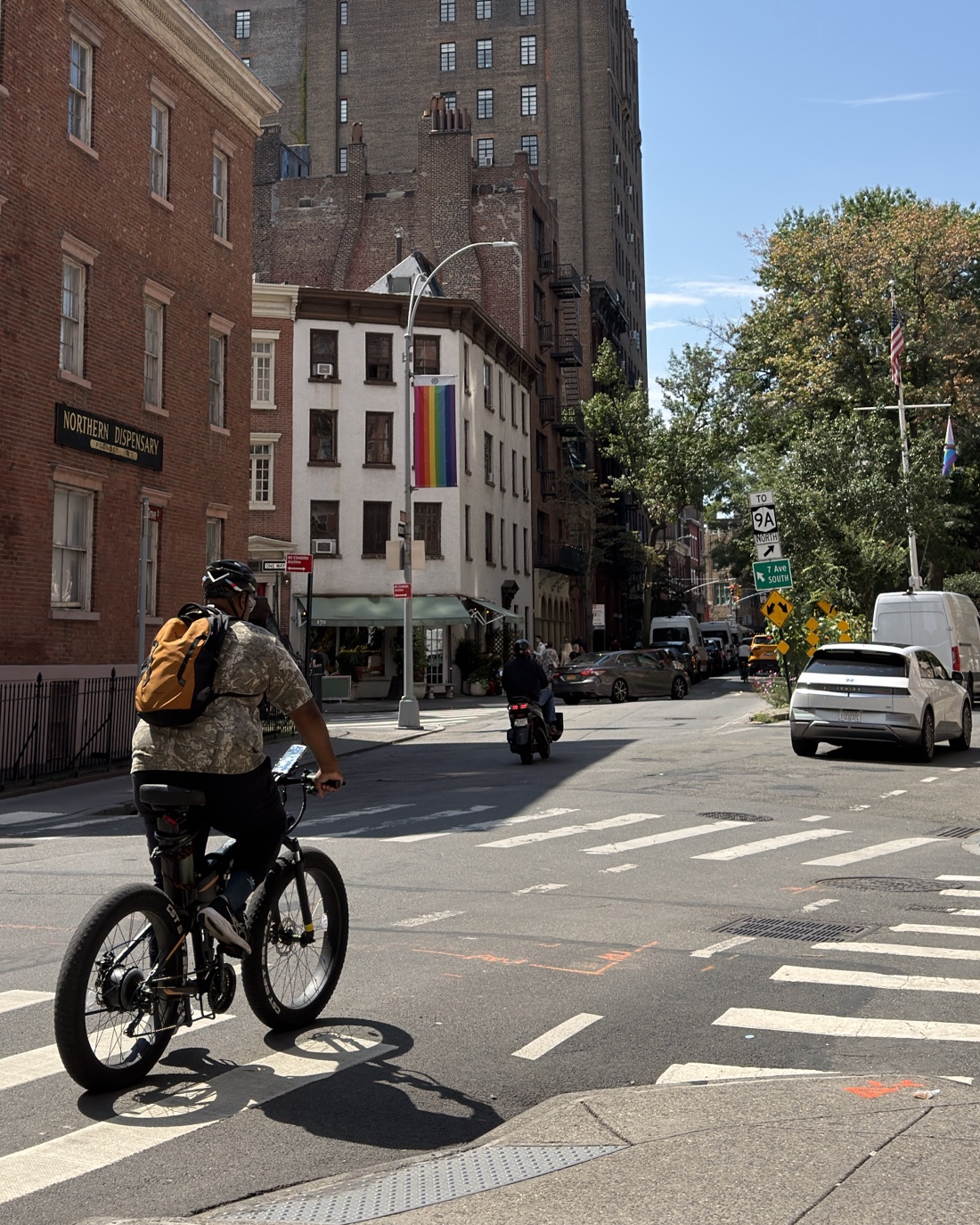
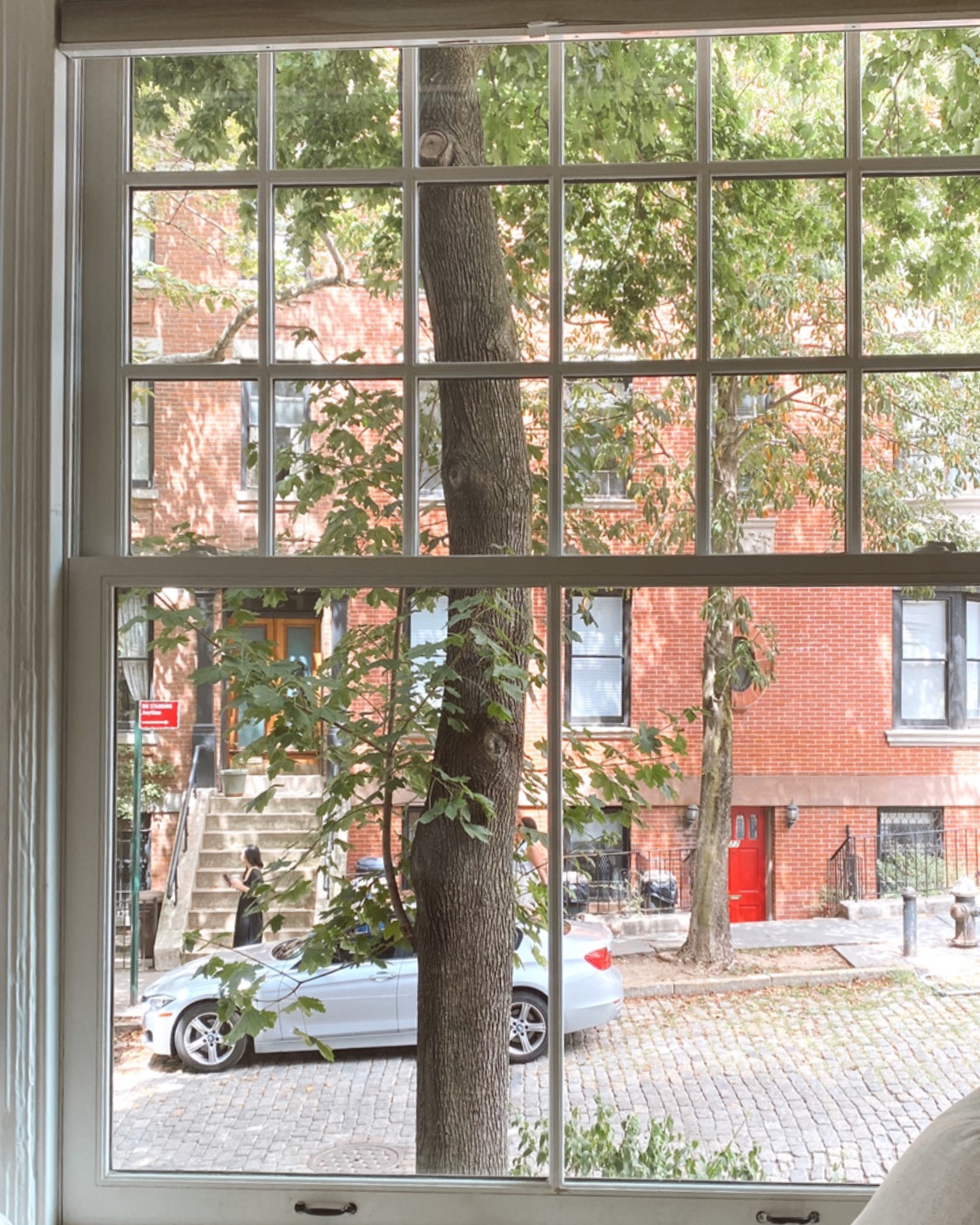
Greenwich VillageTownhouses, walk-ups and a few old elevator buildings, nearly all of it landmarked, which changes what you can do with a window.
East VillageTenements and walk-ups, a few new condos, and Tompkins Square in the middle of a neighborhood that never got tidied up.
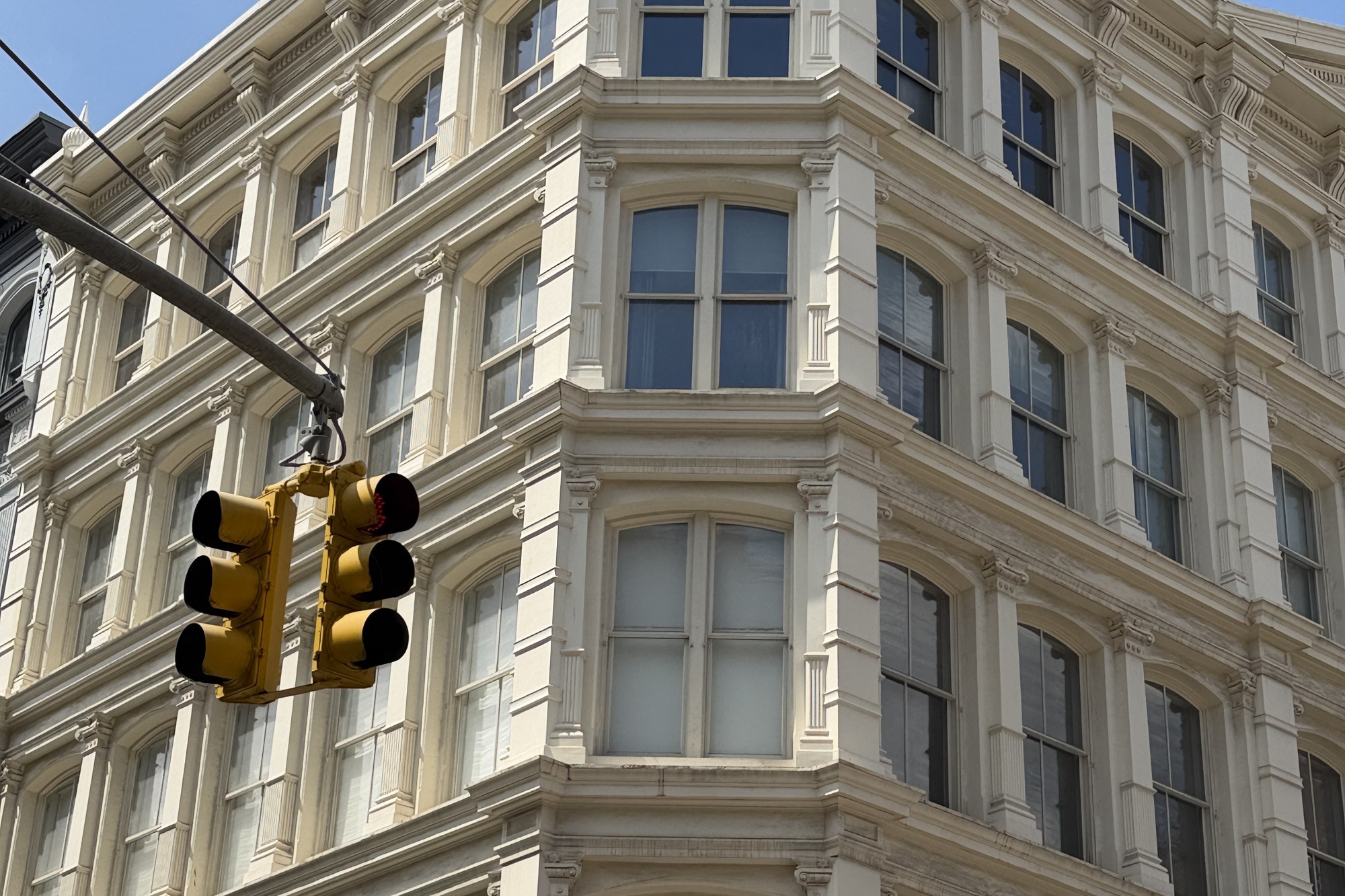
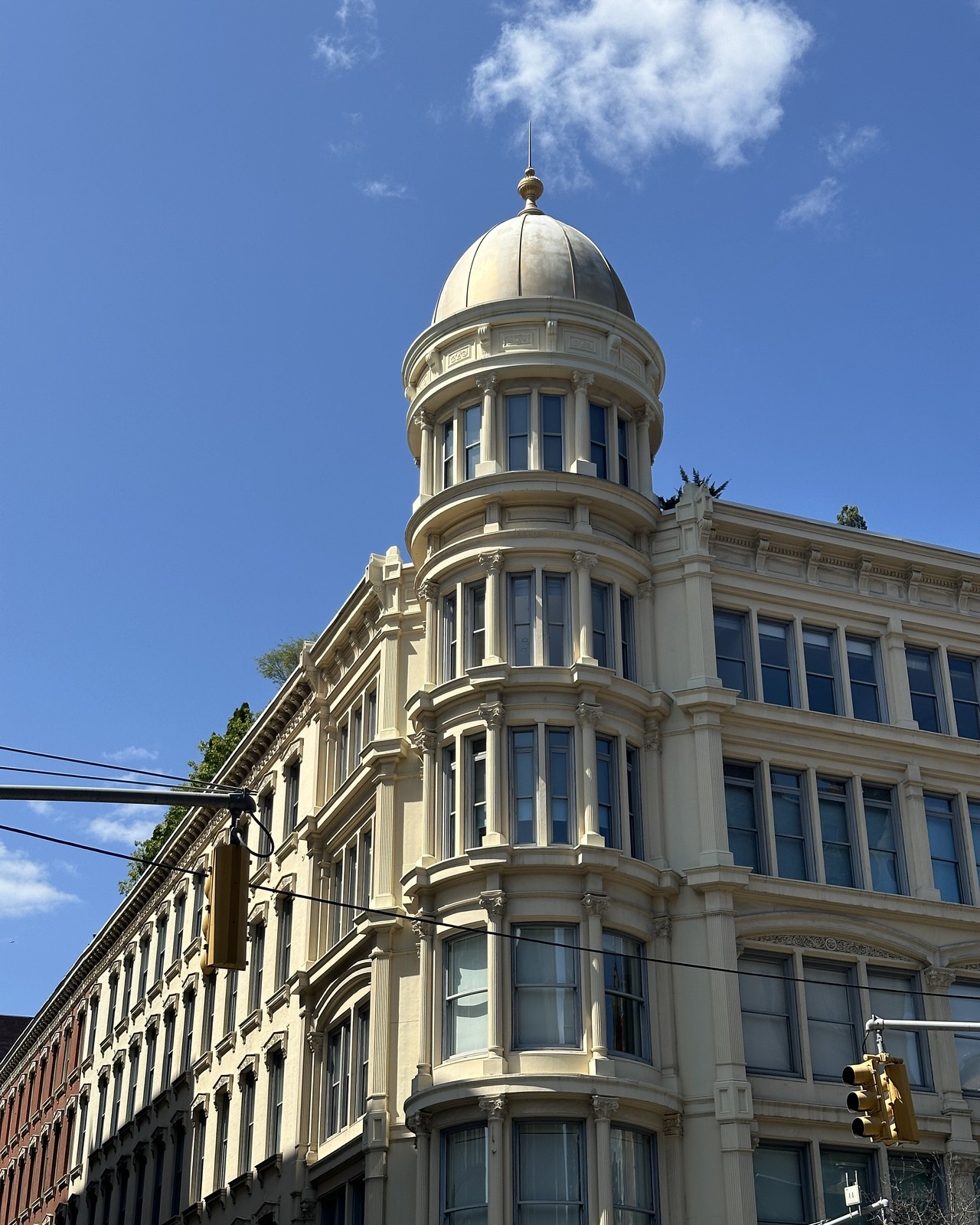
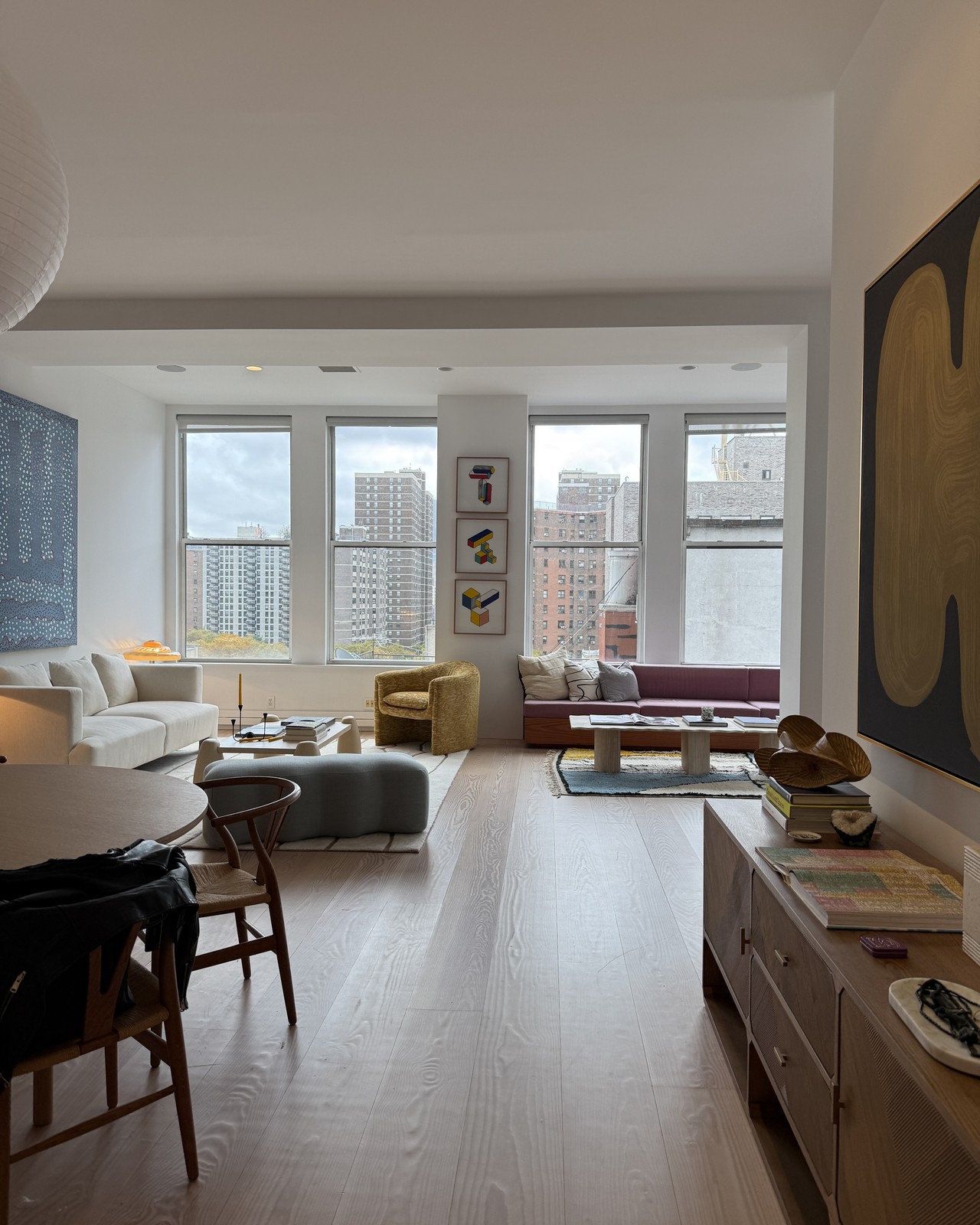
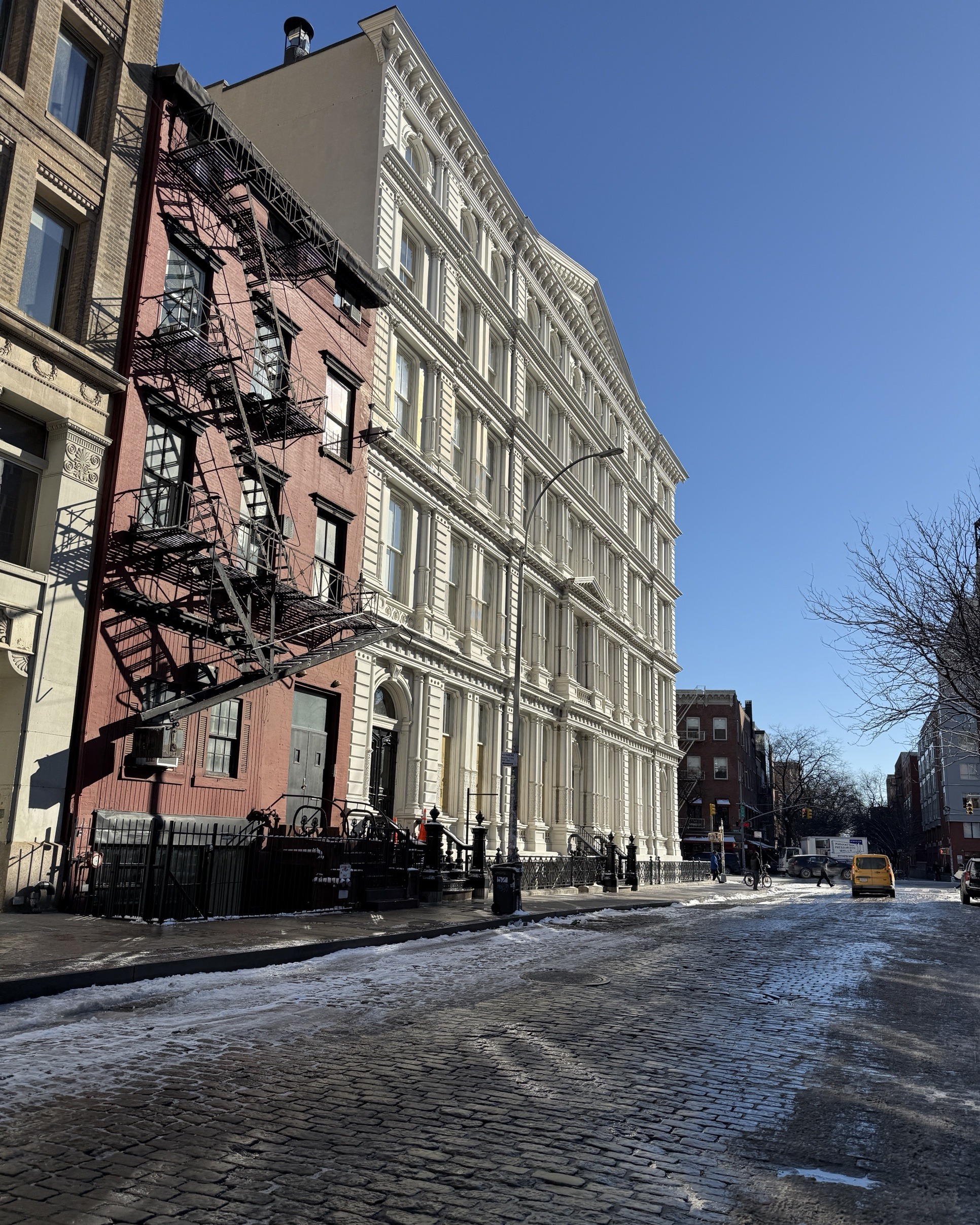
SoHoCast-iron lofts in landmarked buildings, which means the Landmarks Commission has a say before the board does.
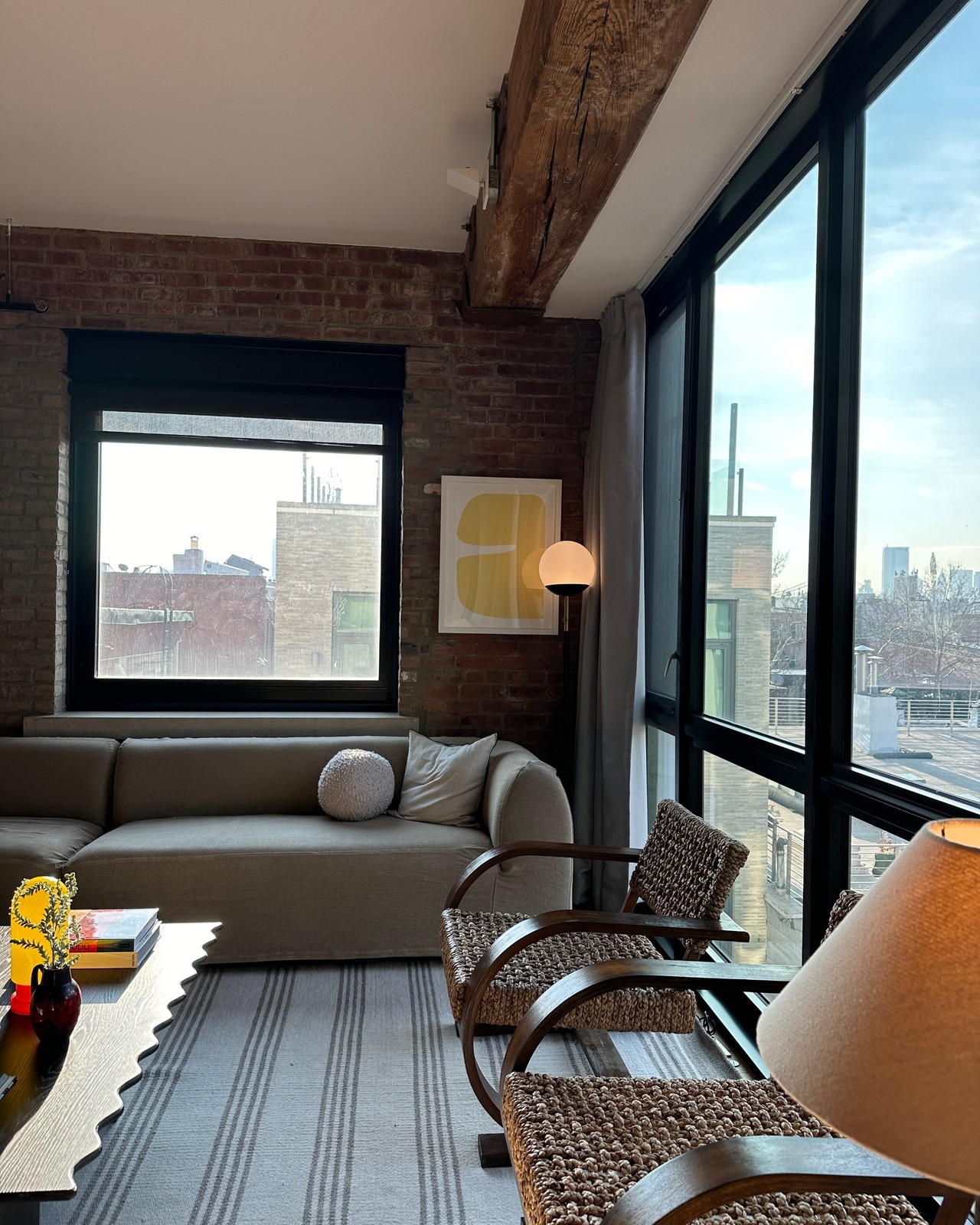
TribecaConverted warehouses on the cobblestone blocks and new full-service condos along the river, with very little in between.
Warehouse conversion or new full-service: which holds value?→
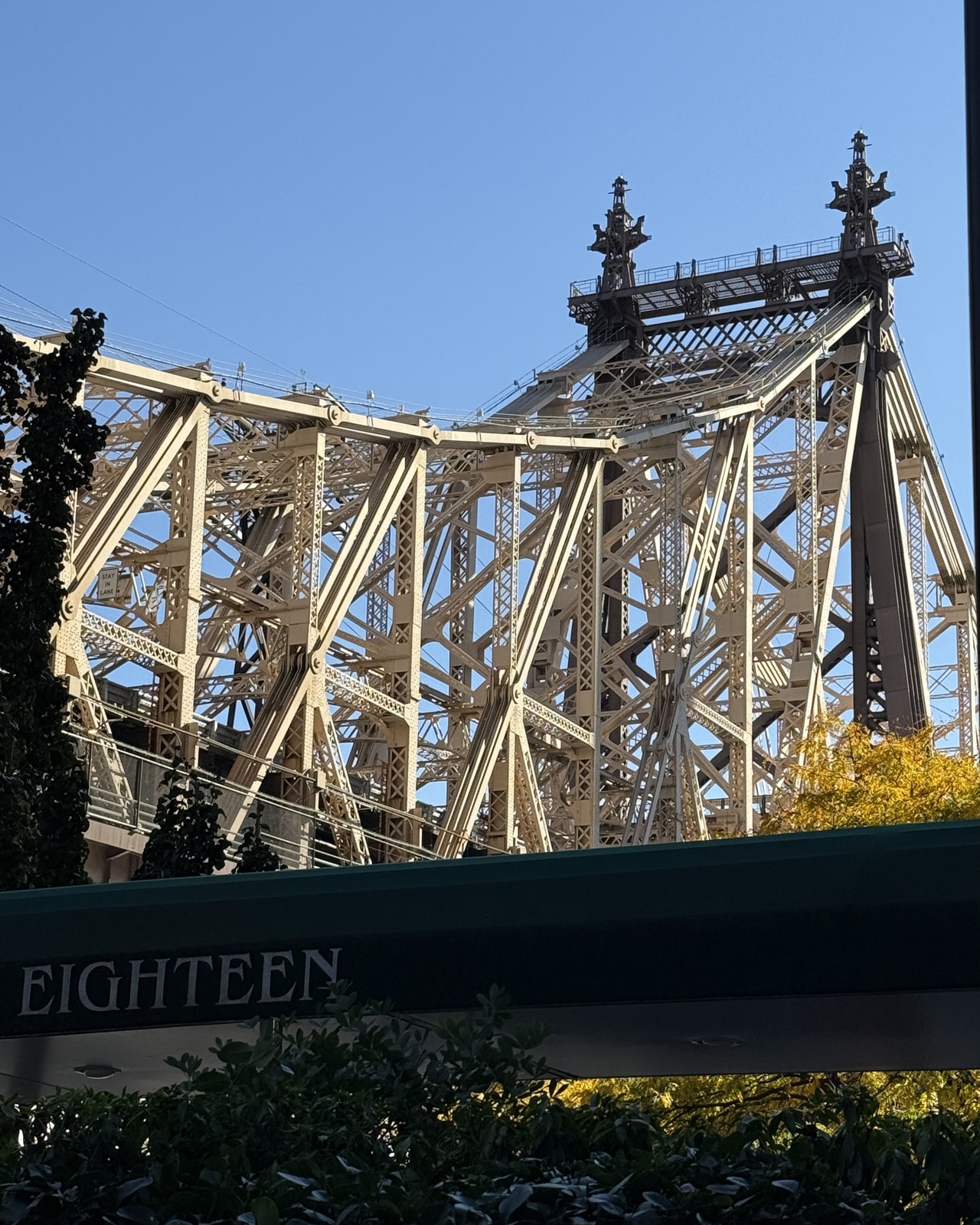
MidtownDoorman buildings along 57th, quieter pockets in Murray Hill and Sutton Place, and a commute measured in minutes.
West VillageCrooked streets, townhouses, small walk-up co-ops and the river at the end of nearly every block.
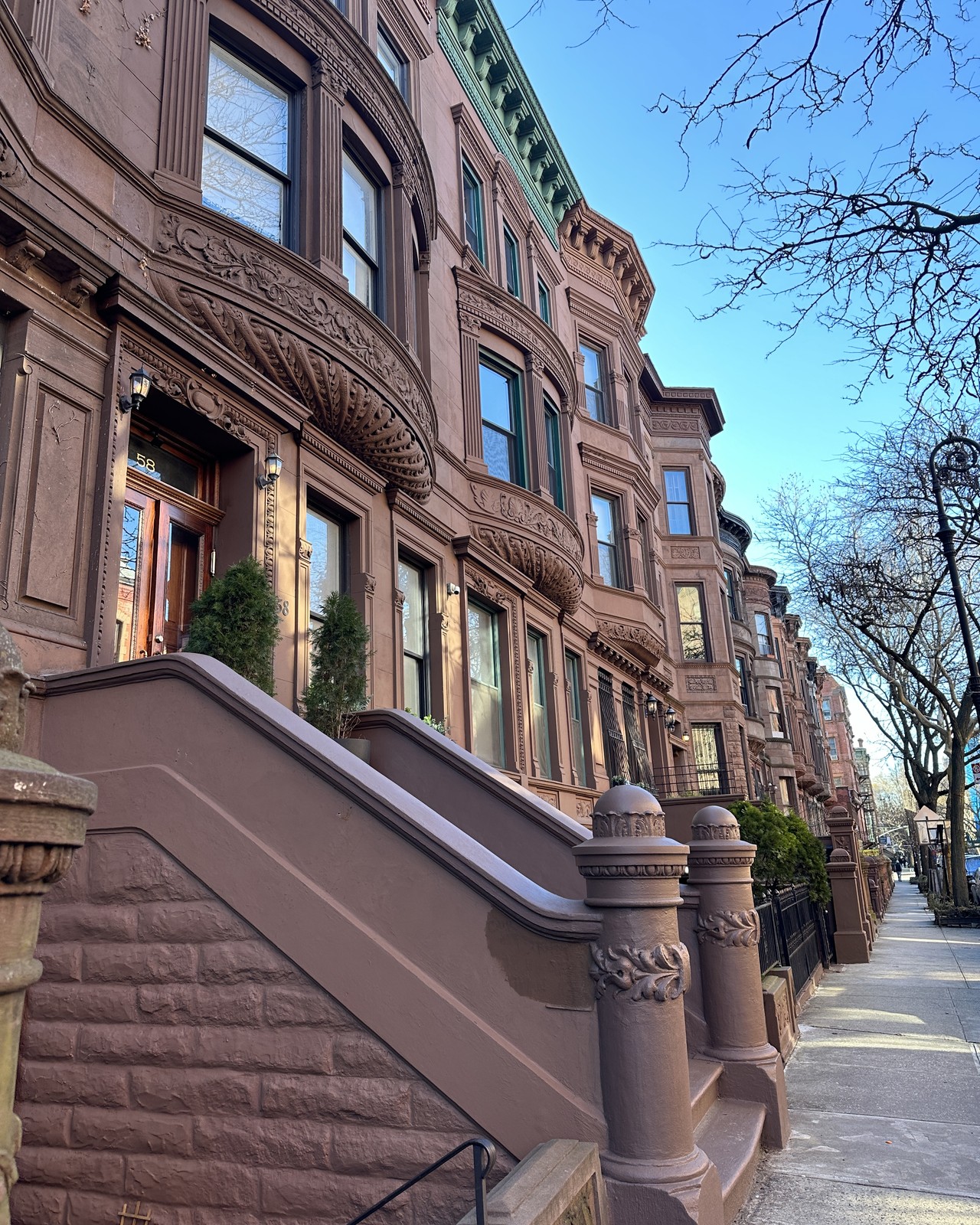
HarlemBrownstone rows from Mount Morris to Sugar Hill, and the last place in Manhattan where buying a whole house is still a reasonable idea.
Which brownstone blocks are landmarked, and does it matter?→
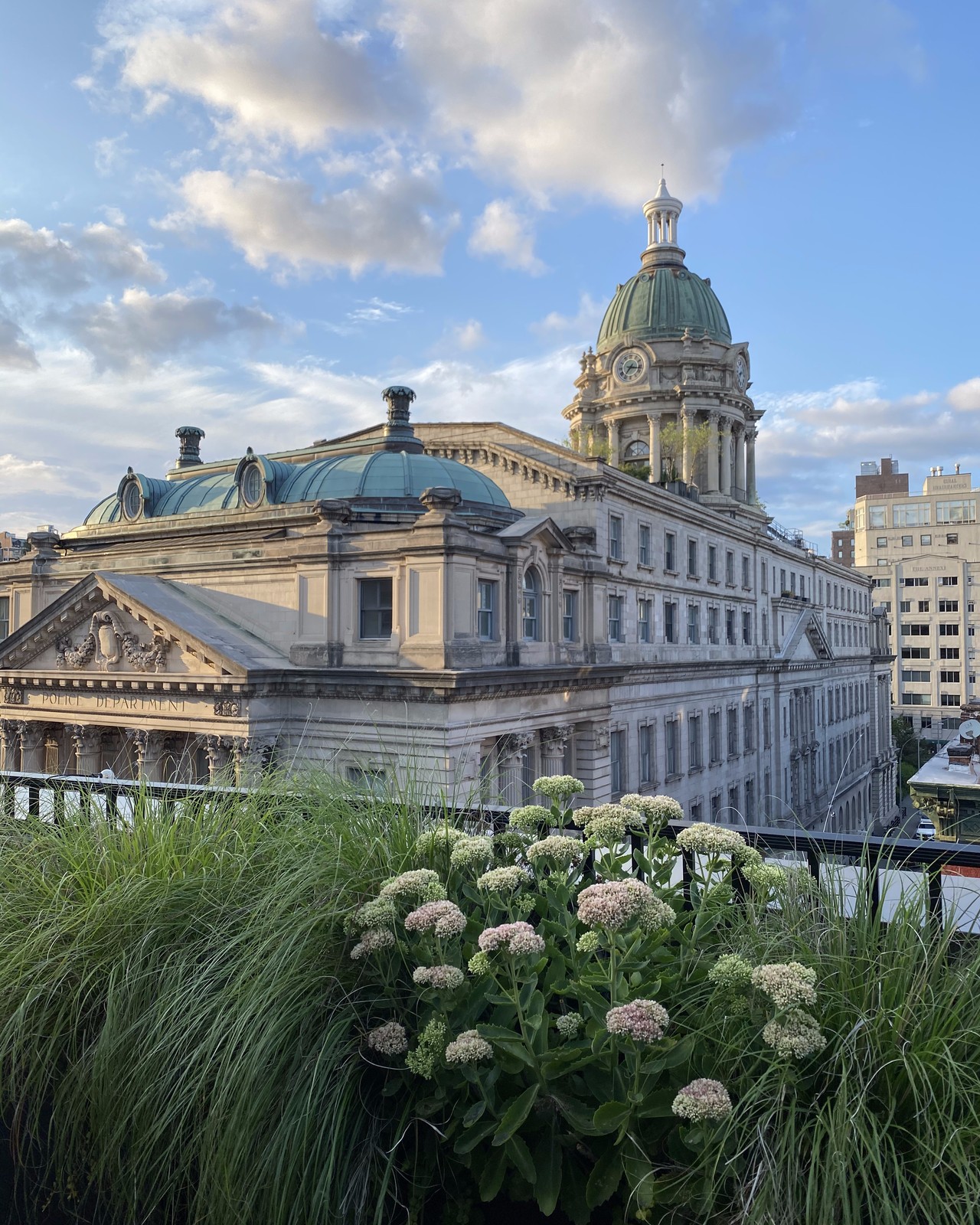
ChelseaTownhouse blocks in the low twenties, new condos along the High Line, and the galleries filling in between.
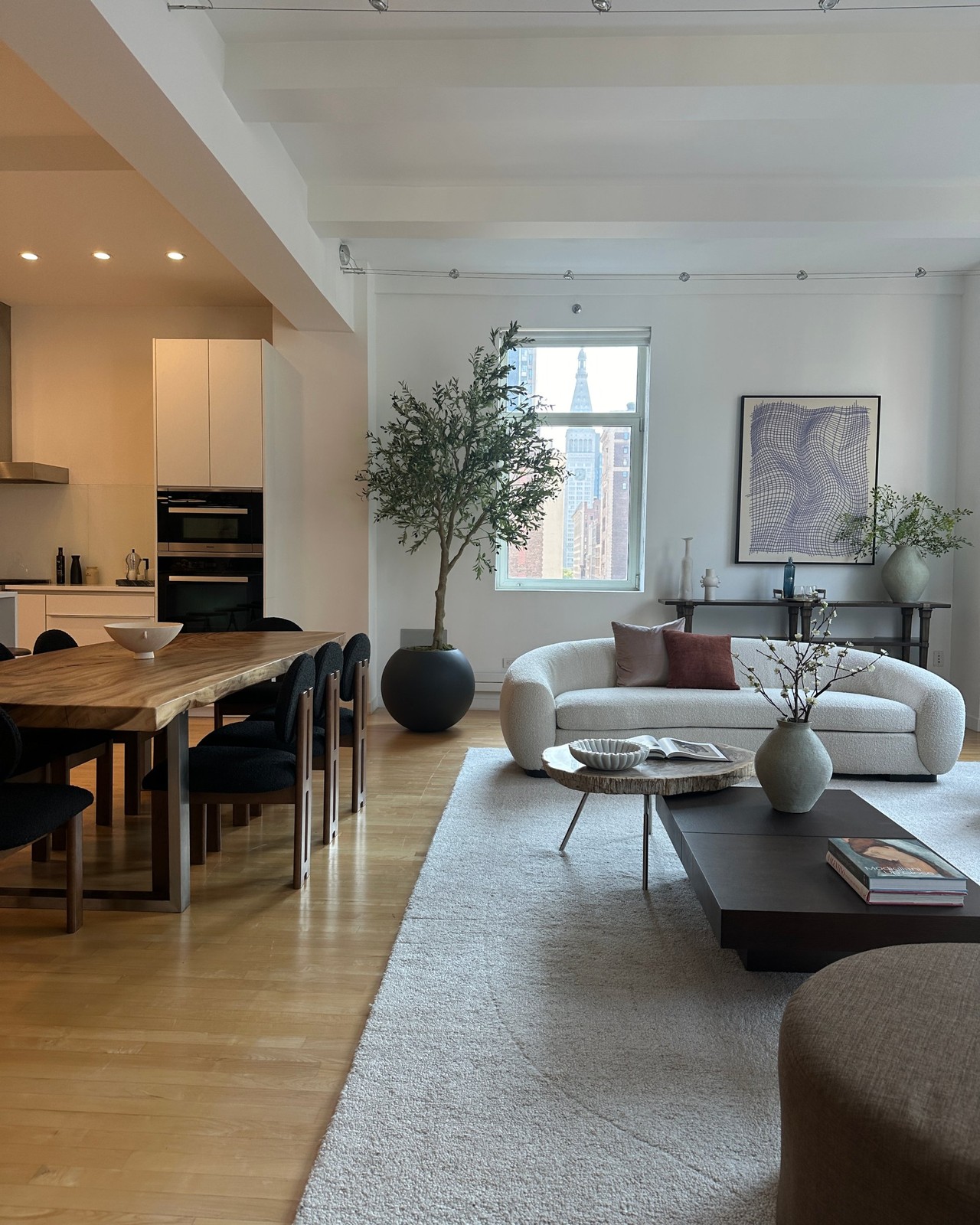
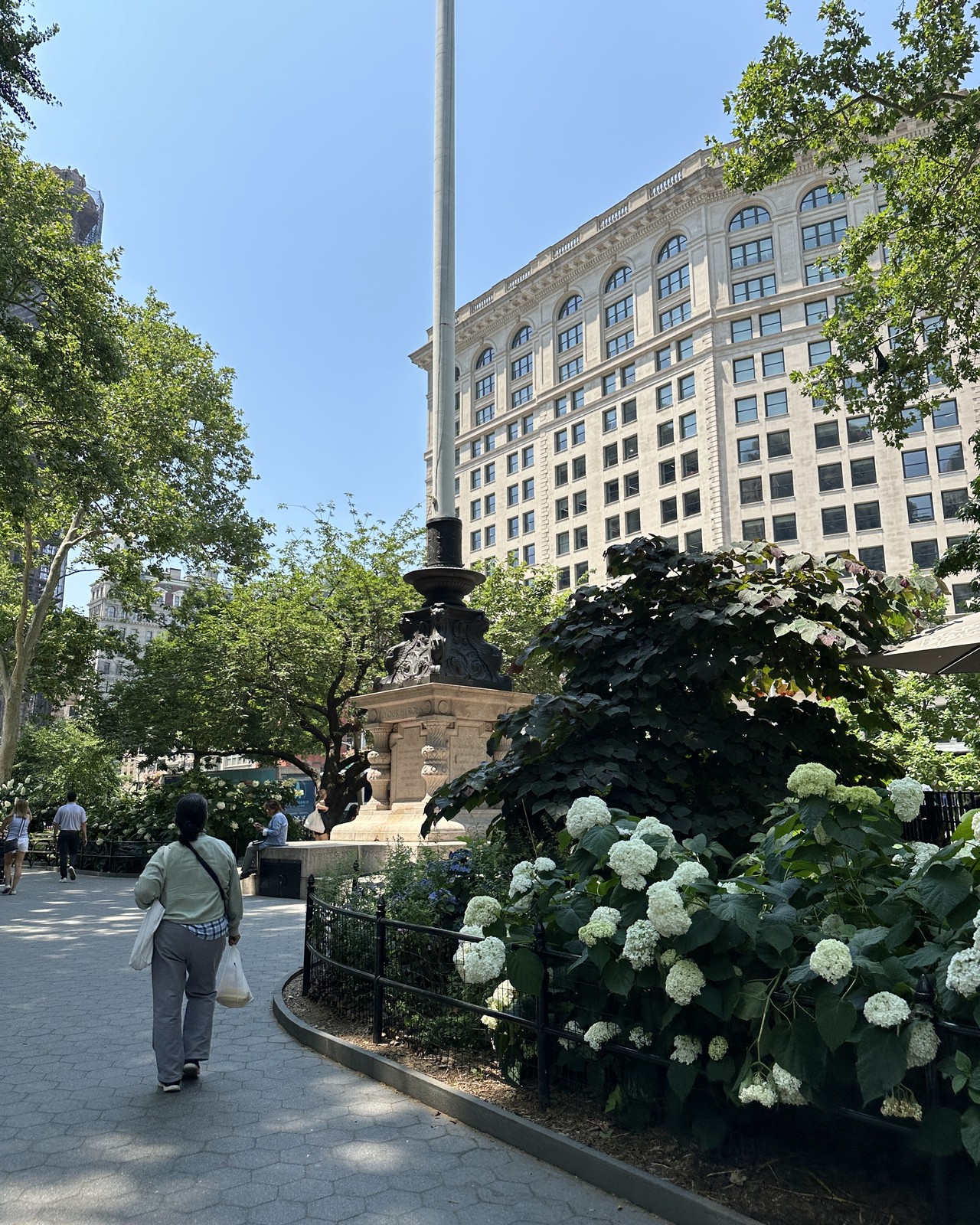
FlatironLoft buildings from the 1890s off Fifth and Broadway, Madison Square Park at the top, and more condos than co-ops.
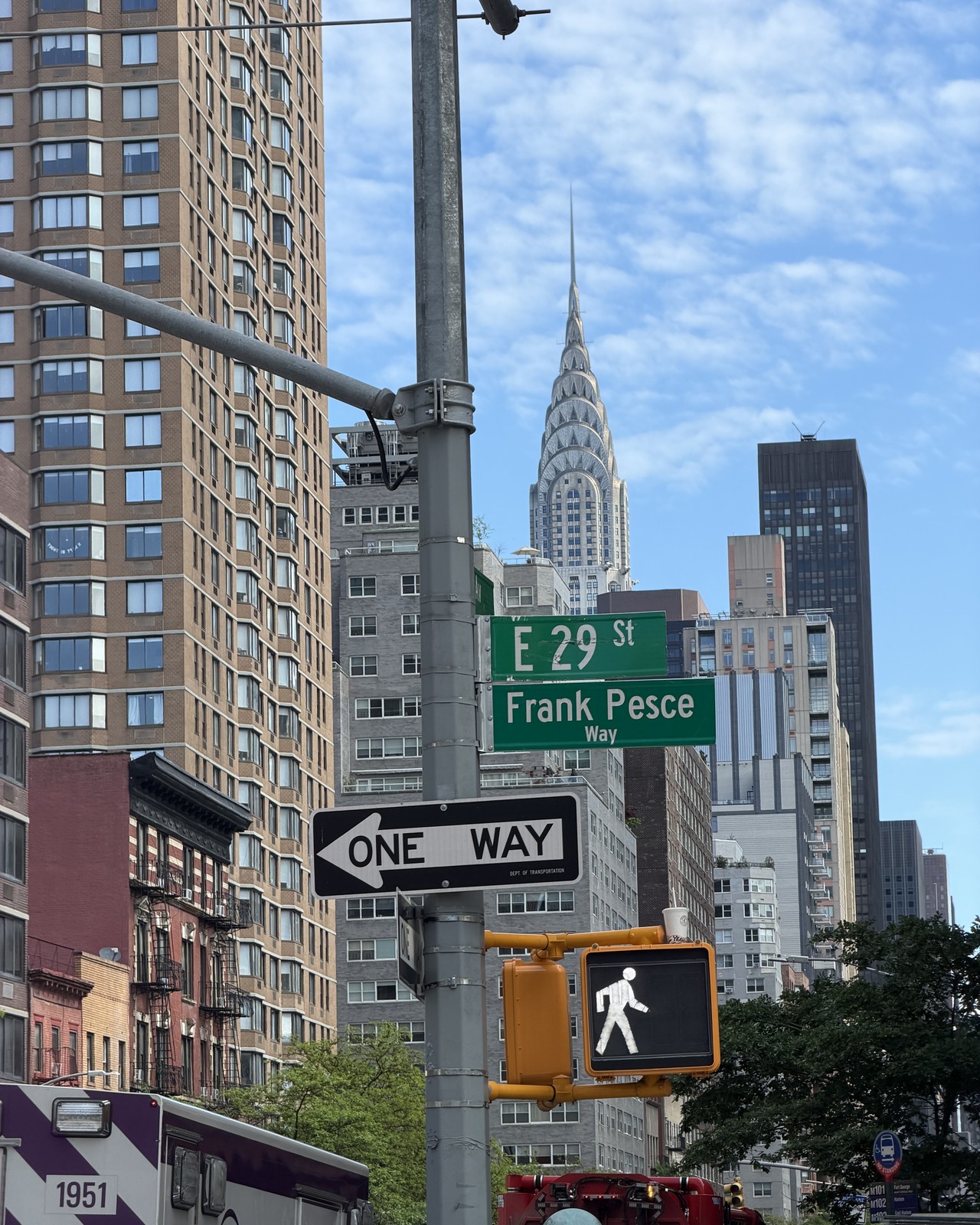
Kips BayPostwar co-ops and condos near the hospitals, quieter and better value than the neighborhoods on either side.
Lower East SideTenements, co-op towers from the sixties, and new glass along Essex and the river, all under one name.
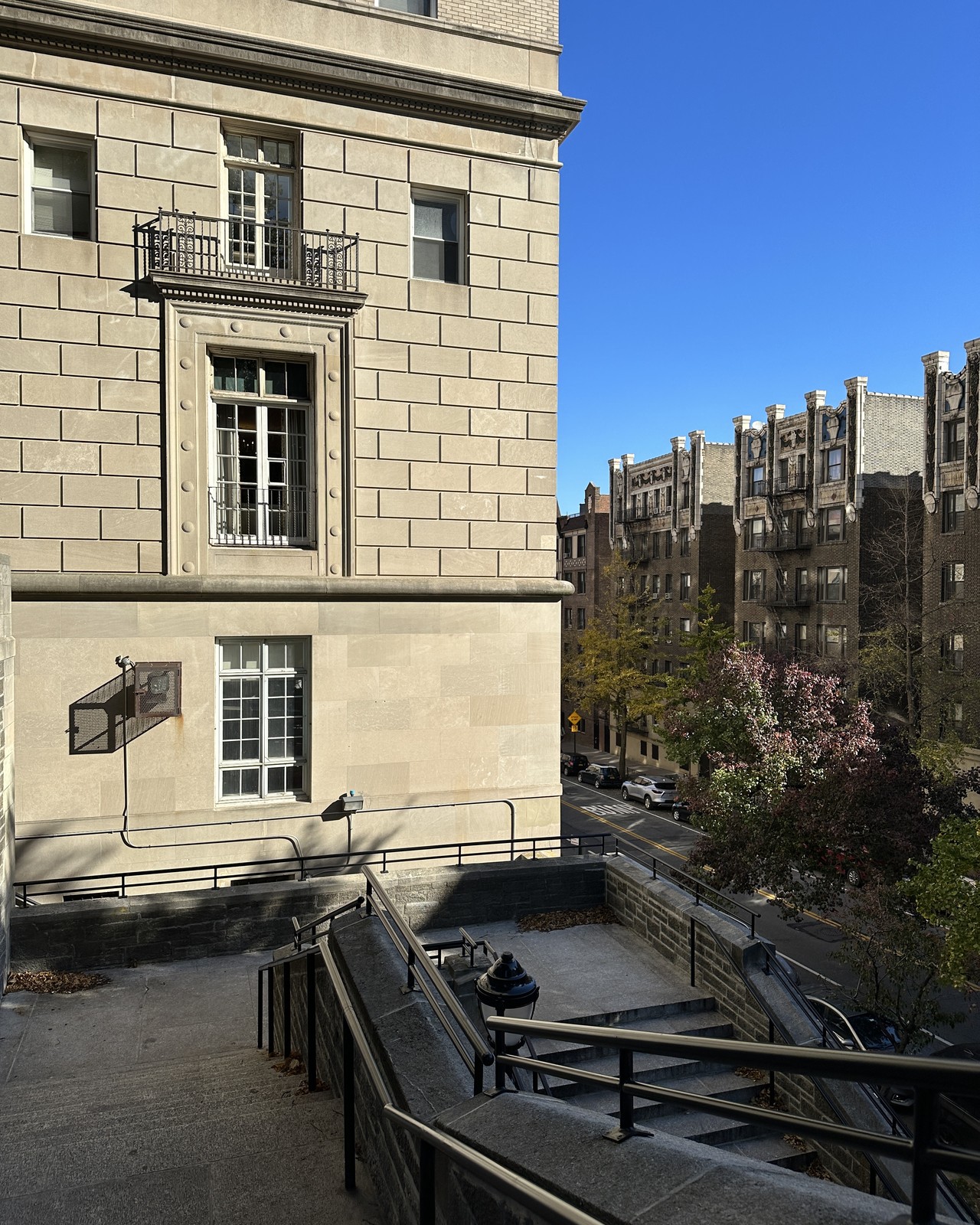
Morningside HeightsColumbia, the cathedral, two parks and the big prewar co-ops along Riverside Drive.
NoMadNew towers and converted hotels north of Madison Square, where the condo inventory keeps growing.
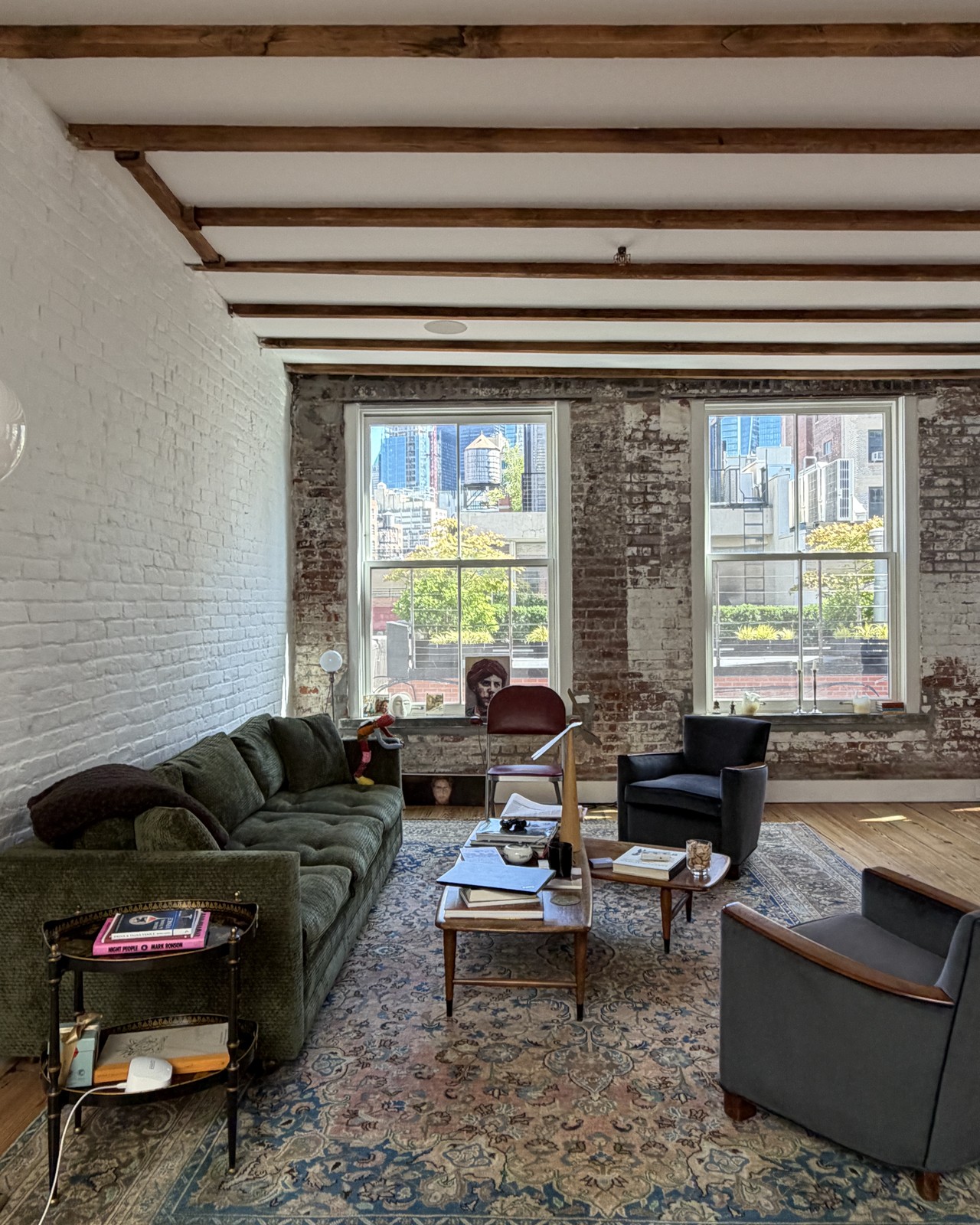
NoHoA dozen blocks of cast-iron lofts and converted warehouses between the Village and the Bowery, where very little comes up for sale.
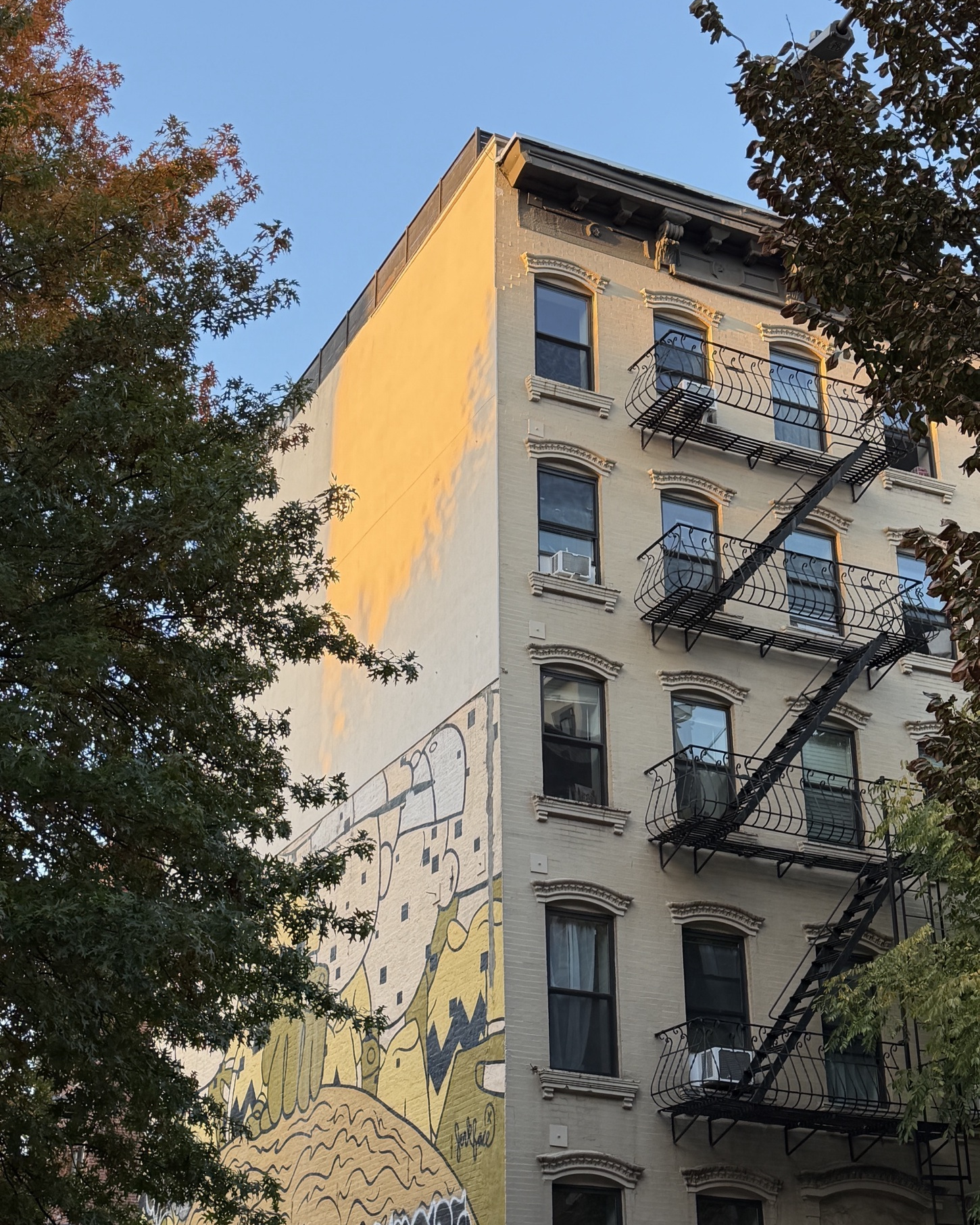
NolitaA few blocks of tenements with the fire escapes still on, a handful of boutique condos, and Elizabeth Street running through the middle.
(Brooklyn)8 neighborhoods · swipe or dragWilliamsburgNew condos on the waterfront, small co-ops and townhouses off Bedford, and the L train deciding which blocks cost more.
Park SlopeRows of brownstones and limestones running downhill from Prospect Park, most of them inside a historic district.
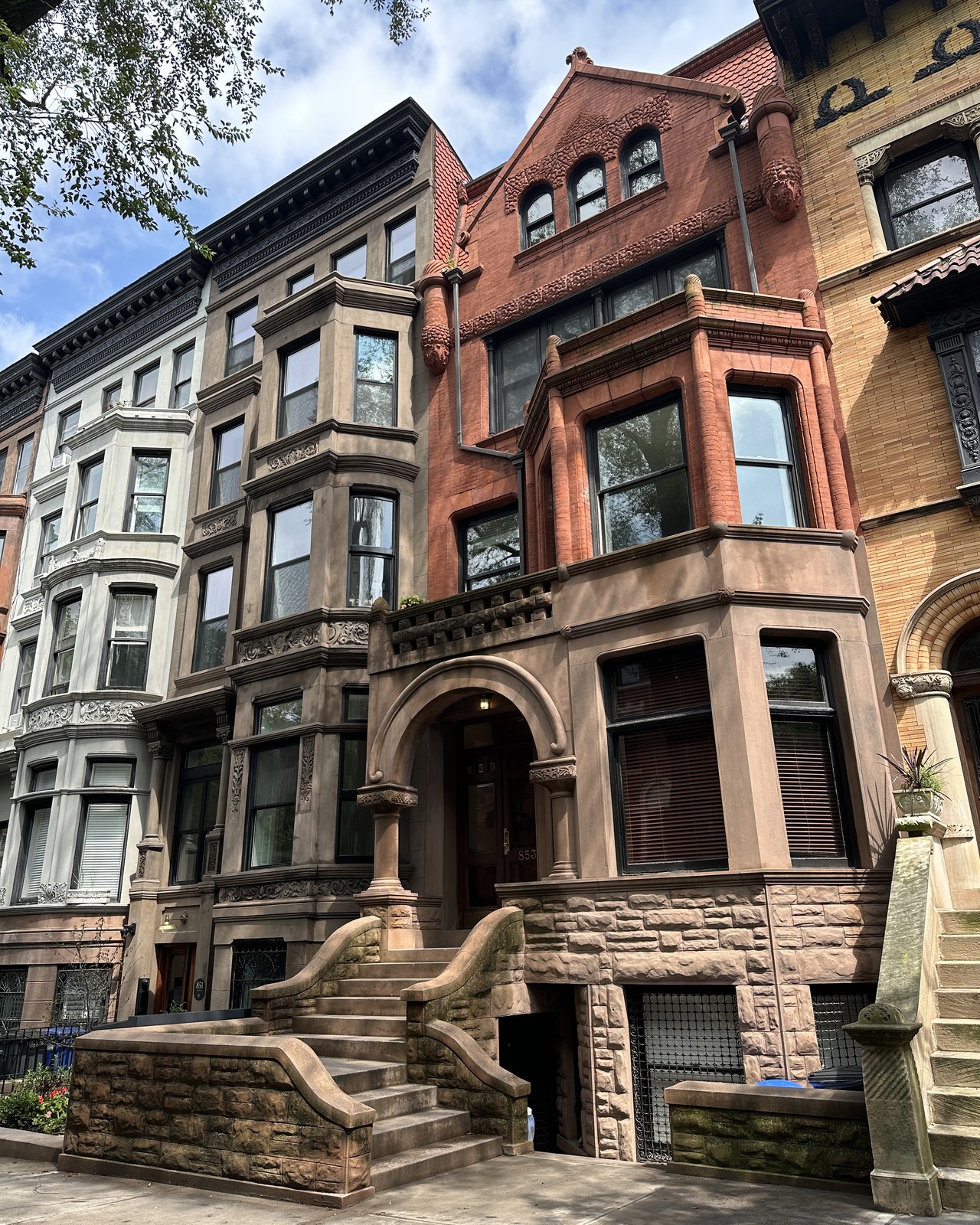
Bed-StuyThe longest unbroken runs of brownstones in the city, most of them still two- and three-family houses.
How do you read a brownstone that's been chopped into units?→
Brooklyn HeightsThe city's first historic district, the Promenade, and co-op boards as serious as any on Park Avenue.
Crown HeightsLong limestone rows, prewar co-ops along Eastern Parkway, and the Botanic Garden at the western edge.
GreenpointWood-frame houses and small walk-ups on the side streets, new towers on the waterfront, and the G train somewhere in between.
Prospect HeightsBrownstones on the side streets, big prewar co-ops on Eastern Parkway, and the museum at the end of the block.
Cobble HillA small, almost entirely landmarked neighborhood of Greek Revival rowhouses, with Court Street at one end and the piers at the other.
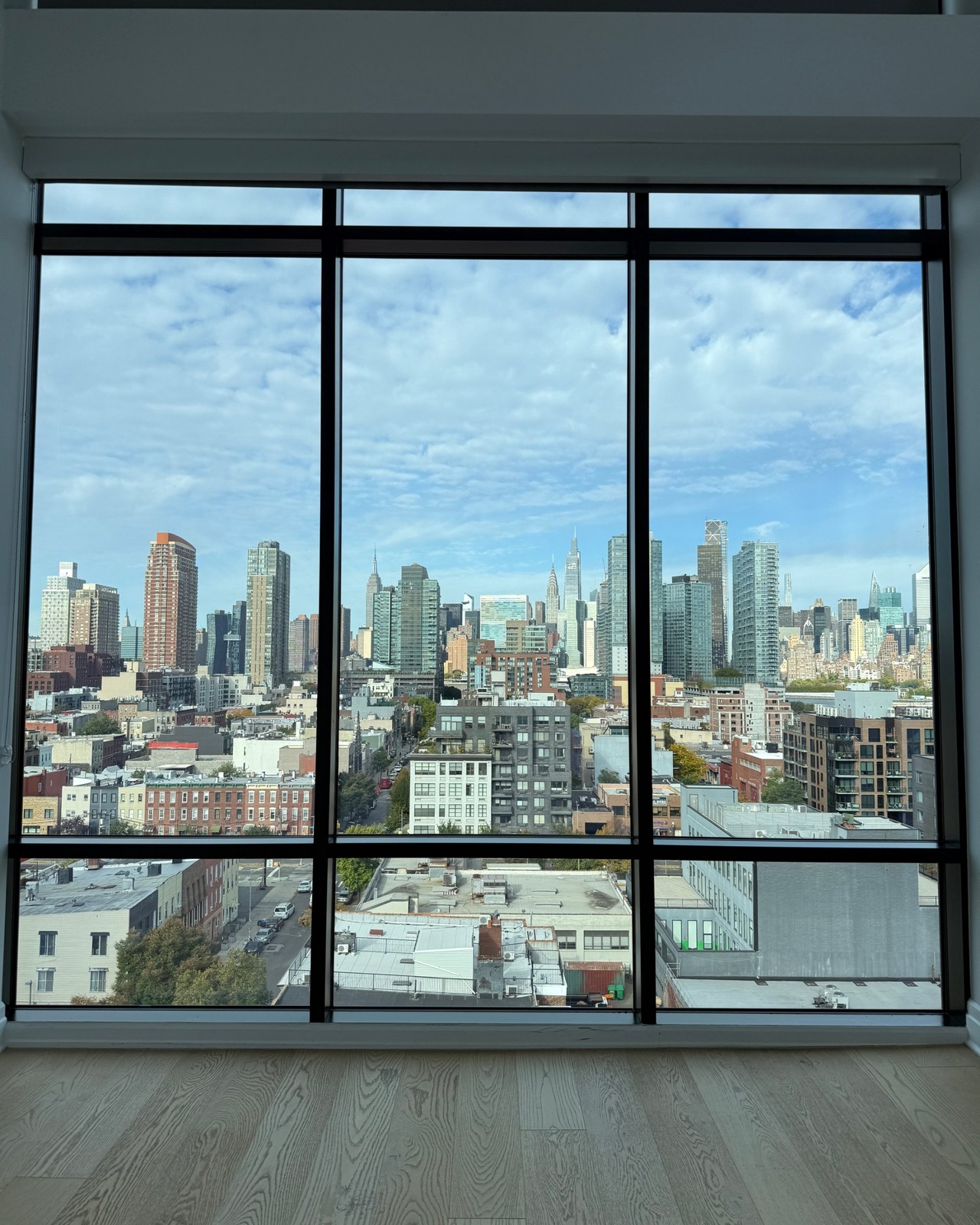
(Queens)3 neighborhoods · swipe or dragLong Island CityGlass towers on the waterfront, converted factories in Hunters Point, and more new condos than almost anywhere in the city.
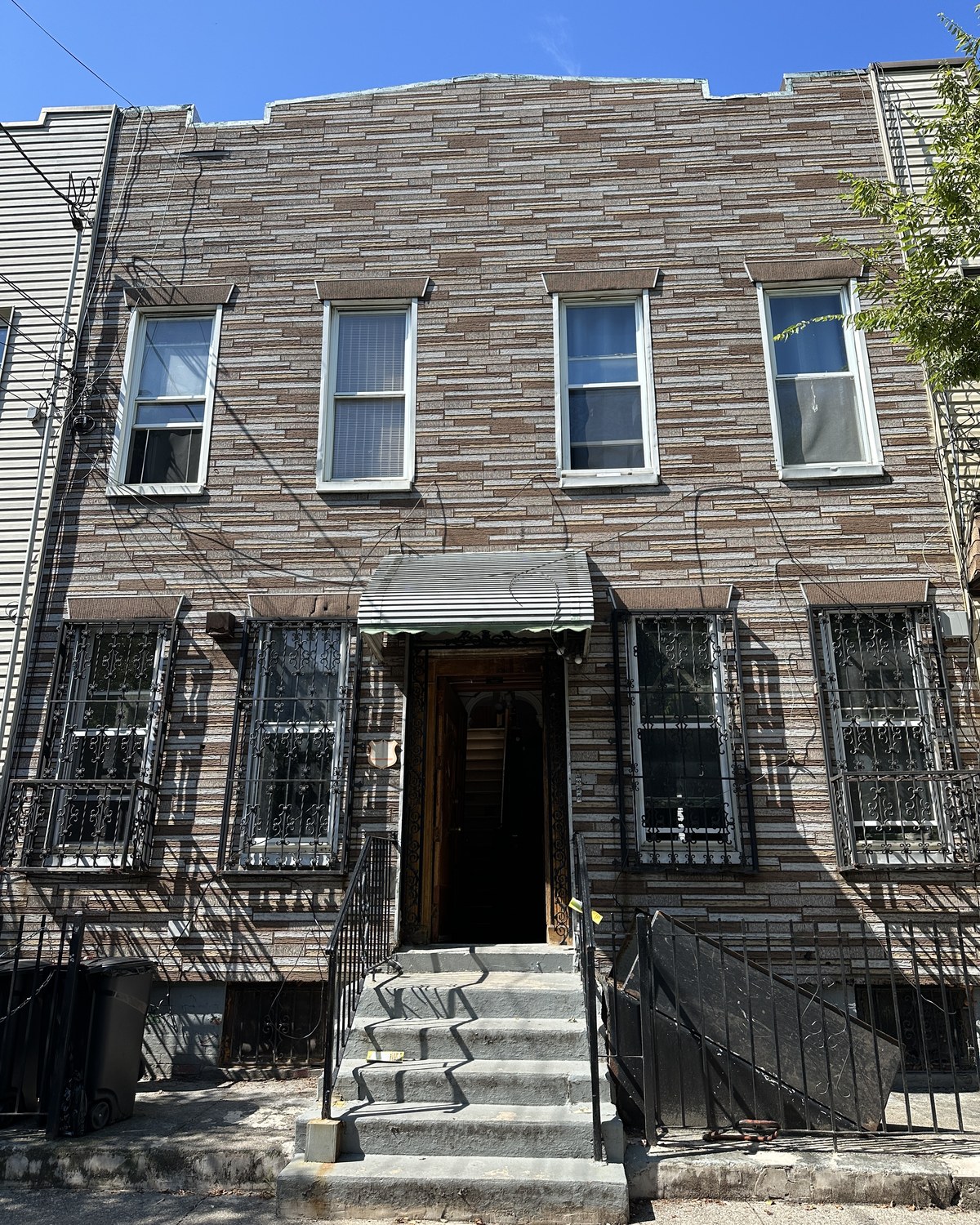
RidgewoodLandmarked rows of yellow-brick houses from the 1910s, on the Queens side of a border that still changes the price.
AstoriaTwo-family houses, prewar walk-ups and new condos along the river, one stop from Manhattan on the N.