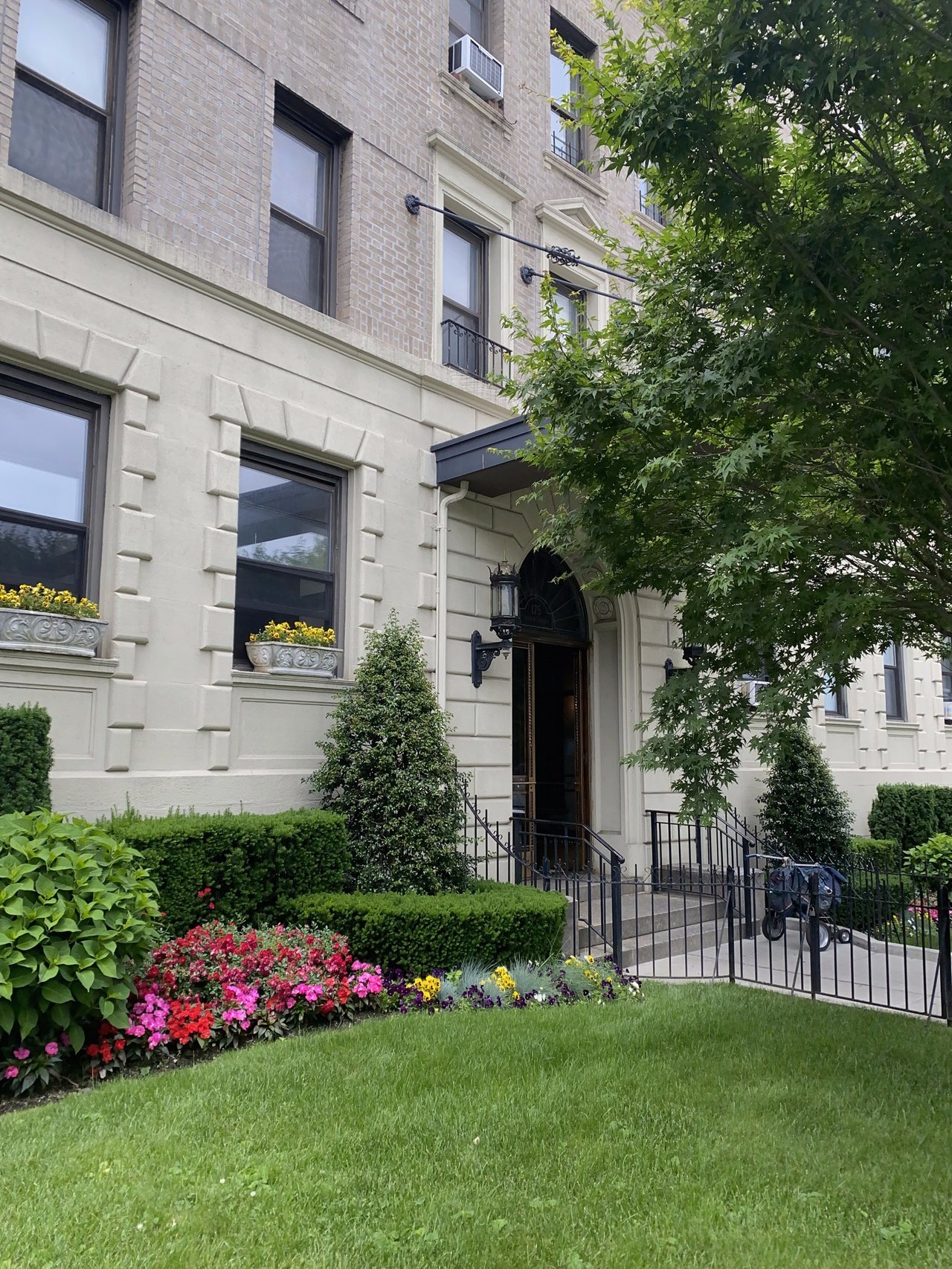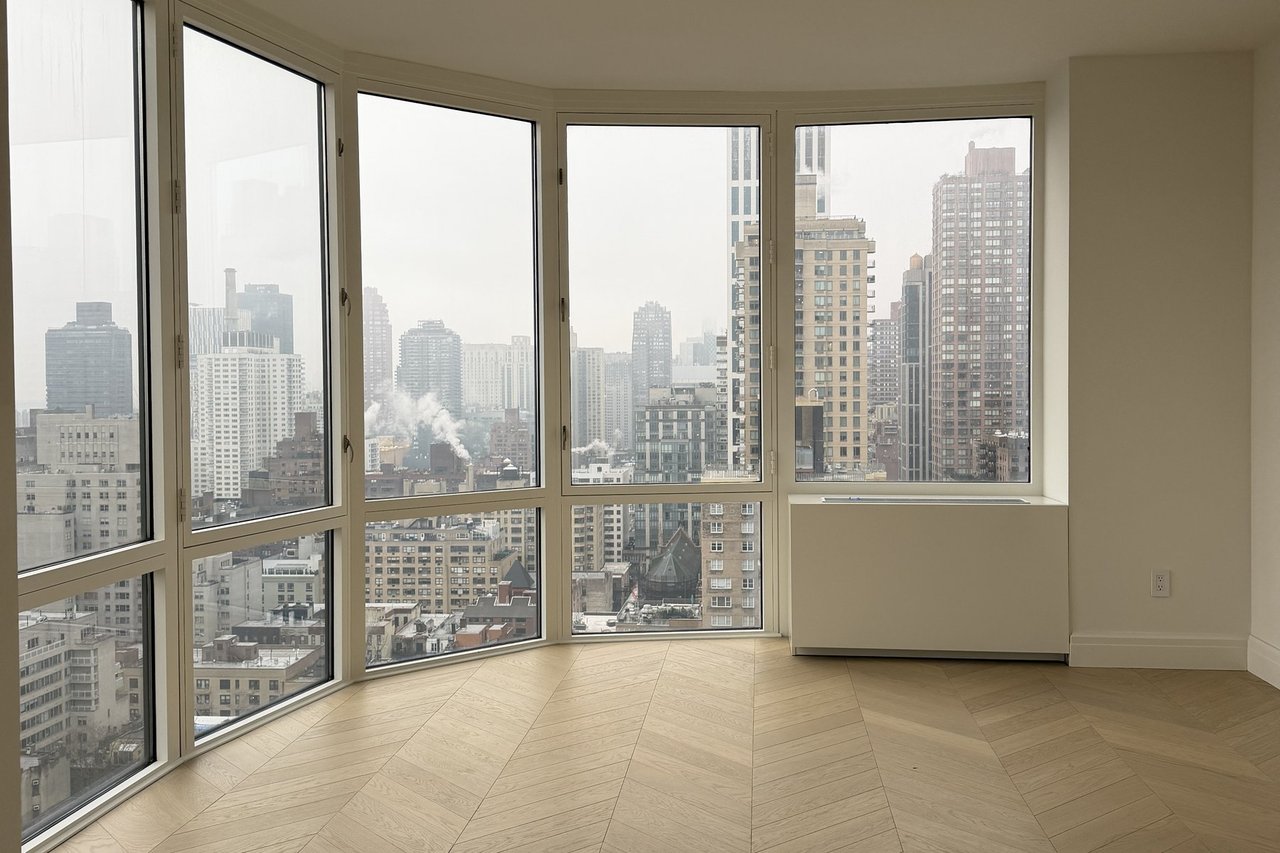
Listing copy is written to sell, and New York has a dialect of its own for it. Here are the words I get asked about most, and what to check behind each one.
Start with "bedroom." To count as one, a room generally needs at least 80 square feet, at least 8 feet in each direction, and a window onto a street, yard or court [1][2]. StreetEasy adds that a room you walk through to reach another room does not count [3]. "Flex," "convertible" and "alcove" all mean the bedroom is not there yet. The space could take a wall [4], but a wall may need a Department of Buildings permit even when it is temporary [5], and in a co-op the board has to agree. I looked at an alcove studio recently where swapping the frosted sliding doors for a wall would make a true one-bedroom, subject to the board. Ask before you count on it.
Square footage is the number everybody wants, and many co-op listings leave it out. Most co-op buildings predate any consistent way of measuring, and appraisers can disagree by as much as 15 percent, so when a figure appears, treat it as an estimate [6]. Condo square footage comes from Schedule A of the offering plan, usually measured to the outside walls, and there is still no single required method [6][7]. Compare the floor plan and the room dimensions, and then the headline number.
"Garden level" is not an official term. It usually means a street-level unit with access to a yard [8]. The line that matters is basement versus cellar: a cellar has more than half its height below the curb, and in a one- or two-family house it can be rented only as a permitted ancillary dwelling unit with a certificate of occupancy. A cellar apartment that was never permitted cannot be rented at all [9][19].
A sponsor unit is still owned by the sponsor who converted the building, and in a co-op that usually means no board application and no interview [10]. Two monthly numbers trip people up. Co-op maintenance folds in your share of the building's property taxes and its underlying mortgage; a condo owner pays common charges and gets a separate tax bill [11], so the fair comparison is maintenance against common charges plus taxes. If the listing mentions an assessment, that is an extra monthly charge for capital work, often one to five years long [12]; ask what it pays for and when it ends. A flip tax is a fee to the building when the apartment sells, traditionally the seller's though some buildings have shifted it to the buyer, usually about 1 to 2 percent of the price [13].
Then the co-op policies that vary building to building: pied-à-terres, where many boards prefer owners who live in the apartment [14]; co-purchasing, which puts both buyers on the shares and the lease [15]; gifts toward the down payment, which some buildings allow with a gift letter; and down payment minimums that commonly run 20 to 30 percent [16].
Read for what is missing. If a listing does not mention laundry, storage or an elevator, ask. On StreetEasy, open the price history: I have seen a past sale's headline show the last asking price while the actual closing price sat lower in the record.
One more silence is required by law. Fair housing law bars any ad that shows a preference or limitation based on race, religion, national origin, disability, family status and the other protected classes, so brokers stick to features of the property [17][18]. "Near the subway" is fine. Who lives on the block is not.
Have a listing you are trying to decode? Send it to me at [email protected] or call 212-516-4569.
This is general information, not tax or legal advice.
Ilana Lee, Licensed Real Estate Salesperson, ILNY. Updated November 23, 2026.
Sources
- NYC Housing Maintenance Code §27-2074: room sizes
- NY Multiple Dwelling Law §30: windows
- StreetEasy: bedroom definition and policy
- Brick Underground: what a flexible layout means
- Brick Underground: temporary walls
- Brick Underground: Ever wonder why agents don't talk about square footage? Here's why, October 25, 2012
- CityRealty: who's squarest
- CityRealty: garden homes in NYC
- NYC HPD: basements and cellars
- Brick Underground: sponsor units
- Brick Underground: monthly charges and assessments
- Habitat: boards use assessments to fund capital improvements
- Brick Underground: What's the average flip tax for a condo or co-op in New York City?, April 1, 2024
- Brick Underground: co-op pied-à-terre rules
- Brick Underground: Buying an apartment for your adult child? Here are 7 things to keep in mind, February 28, 2025
- Prevu: common questions about buying a co-op
- NYC Commission on Human Rights: real estate advertisements
- 24 CFR 100.75: discriminatory advertising
- NYC Council: Int. 0421-A, Local Law 80 of 2026, amending Administrative Code 27-2087