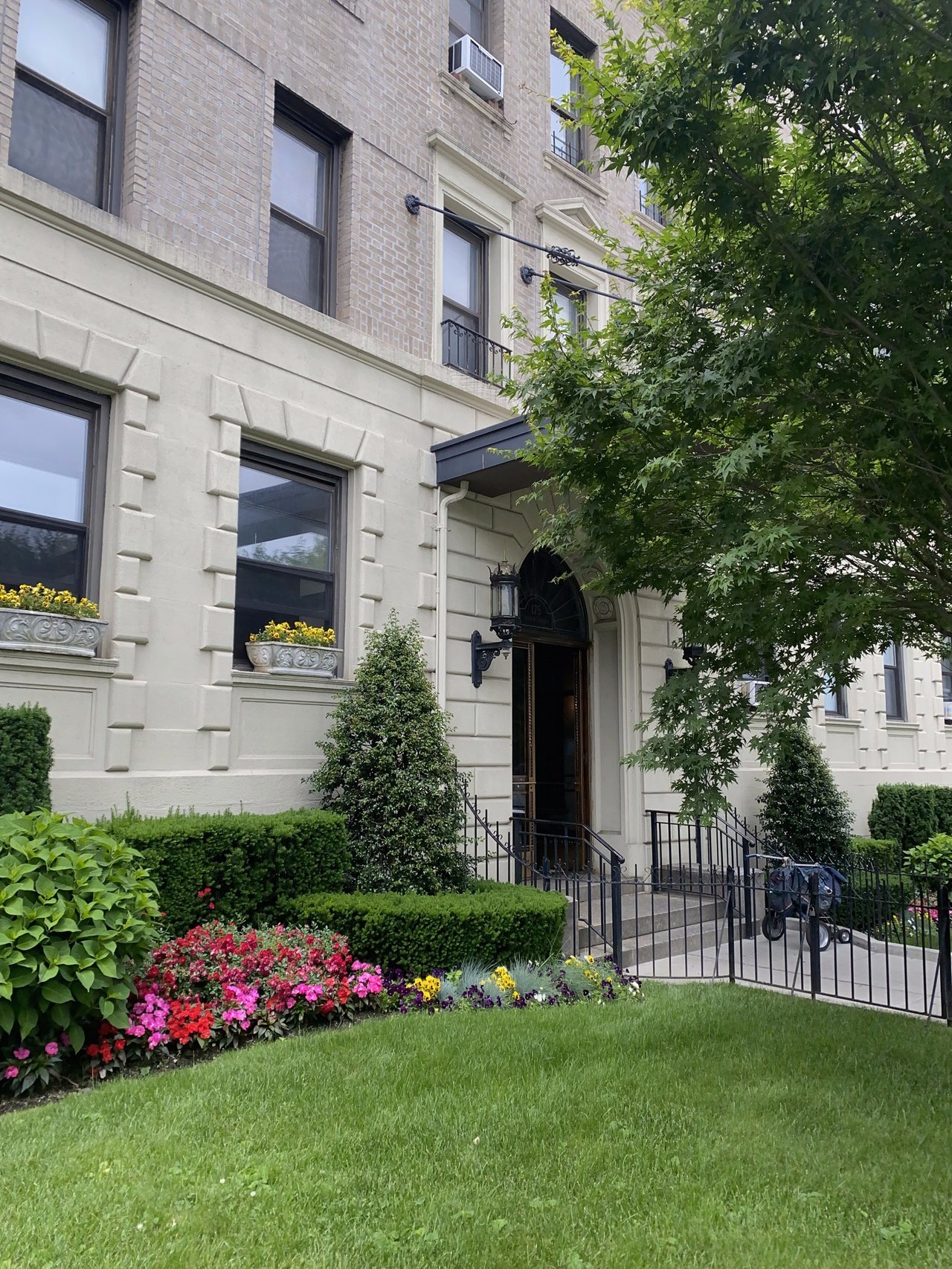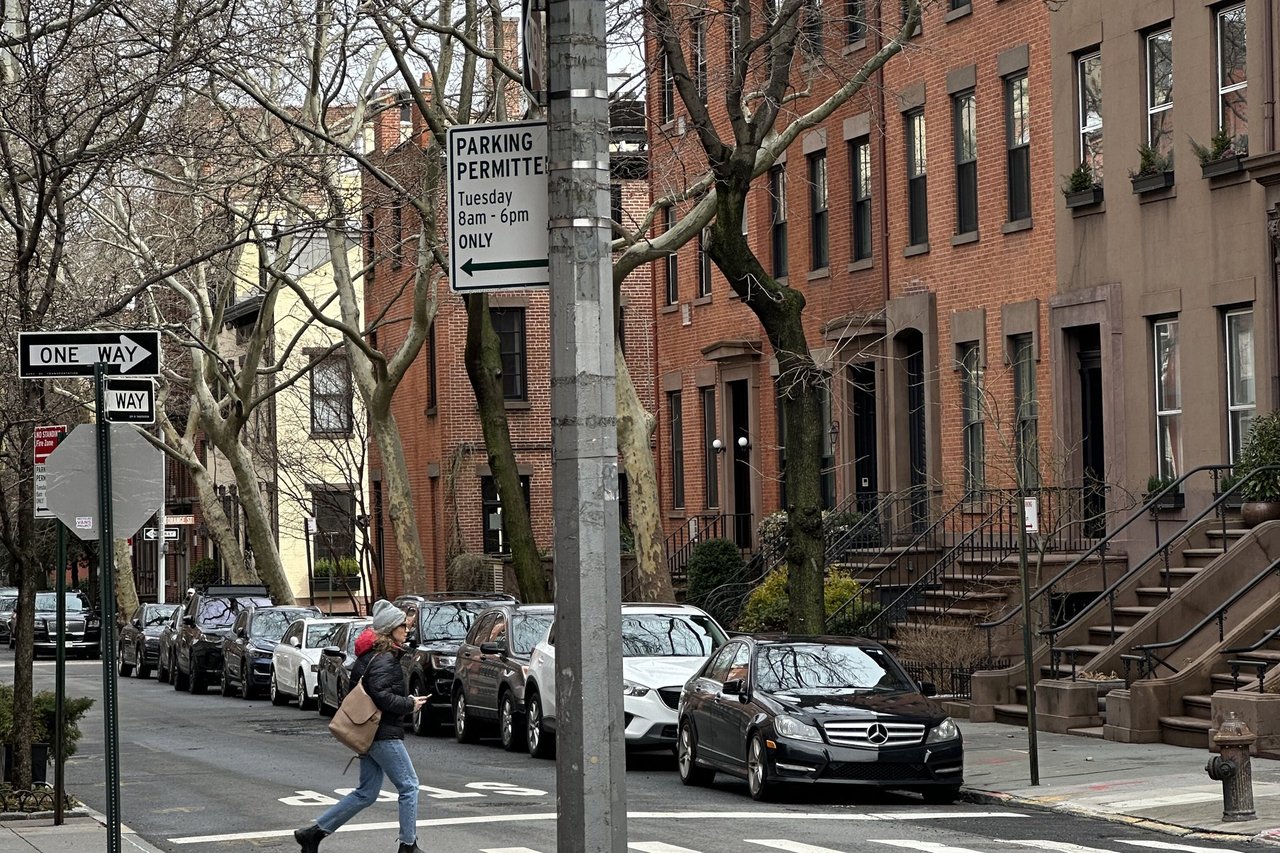
Brooklyn Heights became New York's first historic district on November 23, 1965 [1]. The city now has 157 historic districts and district extensions and more than 38,000 designated buildings and sites [2]. If you buy in one, the outside of your building comes with a second set of rules.
How it started. Mayor Robert Wagner signed the Landmarks Law in 1965, creating the Landmarks Preservation Commission. The Commission names the 1963 demolition of Penn Station as the most notable loss behind it [3]. Heights residents had been pushing for "historic zoning" since 1959 [4]. The district covers about 140 acres of Federal, Greek Revival, Gothic Revival and Italianate houses [5], with the Promenade, dedicated in 1950 over the BQE, along its western edge [6].
What needs approval. Work on a landmarked building falls into one of three kinds of permit [7]. A Certificate of No Effect covers work that needs a Buildings Department permit but doesn't touch protected features, like an interior renovation. A Permit for Minor Work covers changes to protected features that don't need a Buildings permit, like new windows or doors. A Certificate of Appropriateness covers bigger changes, like a rooftop or rear-yard addition or removing a stoop, and it's the only one that goes to a public hearing. Ordinary repairs, like replacing broken glass or repainting the same color, need no permit at all [7]. In fiscal 2025 the Commission issued 92% of no-effect certificates and minor-work permits within 10 business days [2].
The rules that catch owners. On a main facade, replacement windows have to match the historic configuration and finish. In historic districts, small buildings with original one-over-one wood windows can switch to metal or fiberglass, but not vinyl [8]. Commission staff can't approve a rear-yard addition that's visible from any public street, and a rooftop addition with living space can't be visible over the front facade. Anything more goes to a public hearing [9]. Owners also have to keep the building in good repair [10]. In a co-op or condo, the application comes from the board or the condo association, so you need them with you as well [11].
What it does to value. The research is mixed. A 2014 NYU Furman Center study found values rose after designation in districts outside Manhattan but not inside Manhattan, and rose for homes within 250 feet of a district's edge [12]. REBNY has argued landmarking holds back new housing, finding that under 2% of new housing units built in Manhattan over a ten-year period were on landmarked property [13].
A possible tax credit. New York State offers a credit of 20% of qualifying rehab costs, up to $25,000 a year, on at least $5,000 of work, for owner-occupied homes on the State or National Register in qualifying census tracts, with approval before work begins [14]. Brooklyn Heights is on the National Register [5], but eligibility depends on the tract, so check before you count on it.
Buying in a historic district? Email me at [email protected] or call 212-516-4569.
Ilana Lee, Licensed Real Estate Salesperson, ILNY. Published October 15, 2026.
Sources
- Historic Districts Council: Brooklyn Heights Historic District
- NYC Mayor's Management Report FY2025: Landmarks Preservation Commission
- NYC LPC: about the Commission
- Brooklyn Heights Association: history of the district
- The Cultural Landscape Foundation: Brooklyn Heights Historic District
- NYC Parks: Brooklyn Heights Promenade
- NYC: performing work on a landmarked property
- NYC LPC: windows fact sheet
- NYC LPC permit guidebook: additions
- NYC LPC: landmark designation
- NYC LPC: standard application
- NYU Furman Center: historic districts and house prices
- REBNY: housing production on landmarked properties
- NYS Tax: historic homeownership rehabilitation credit