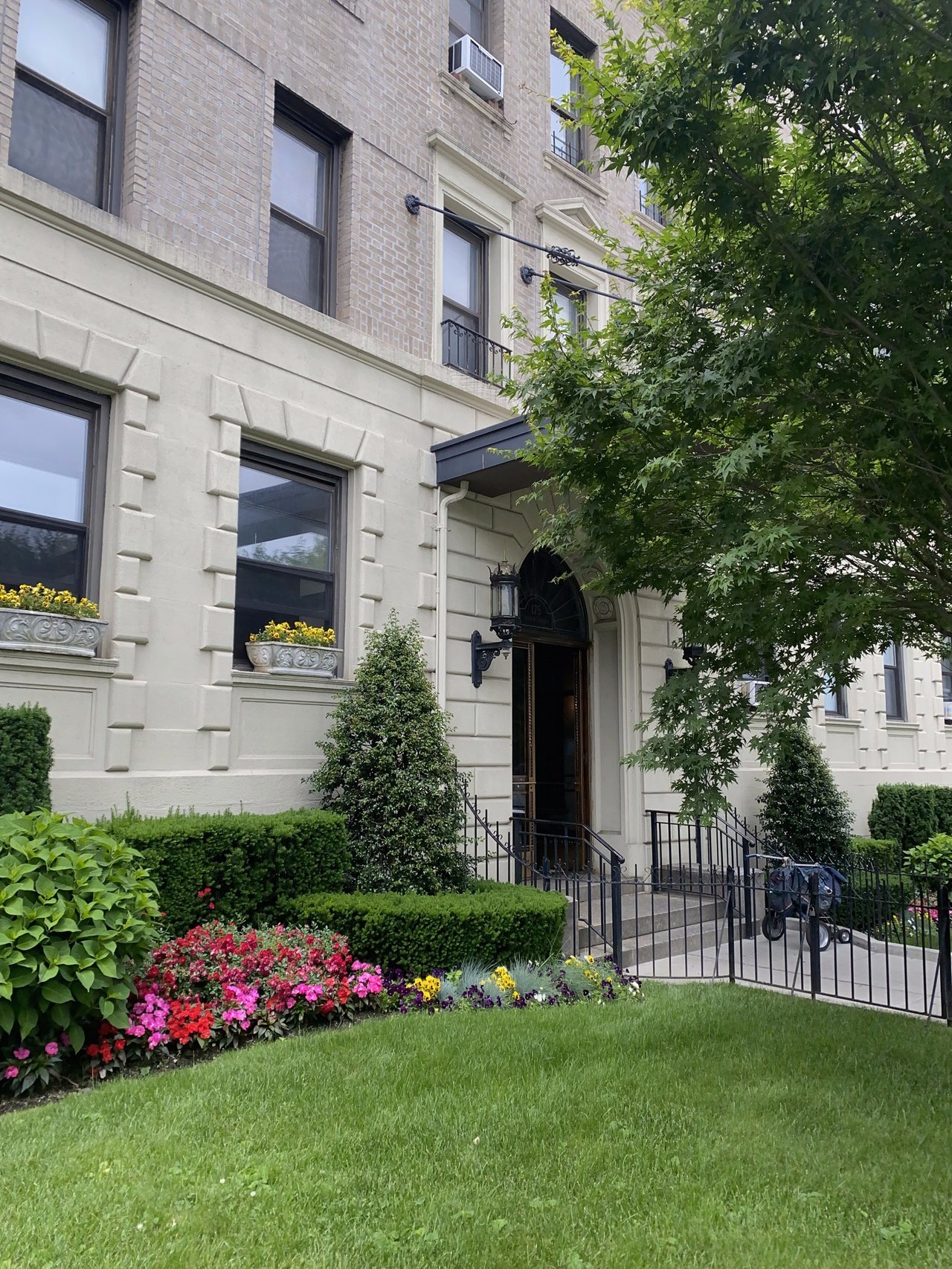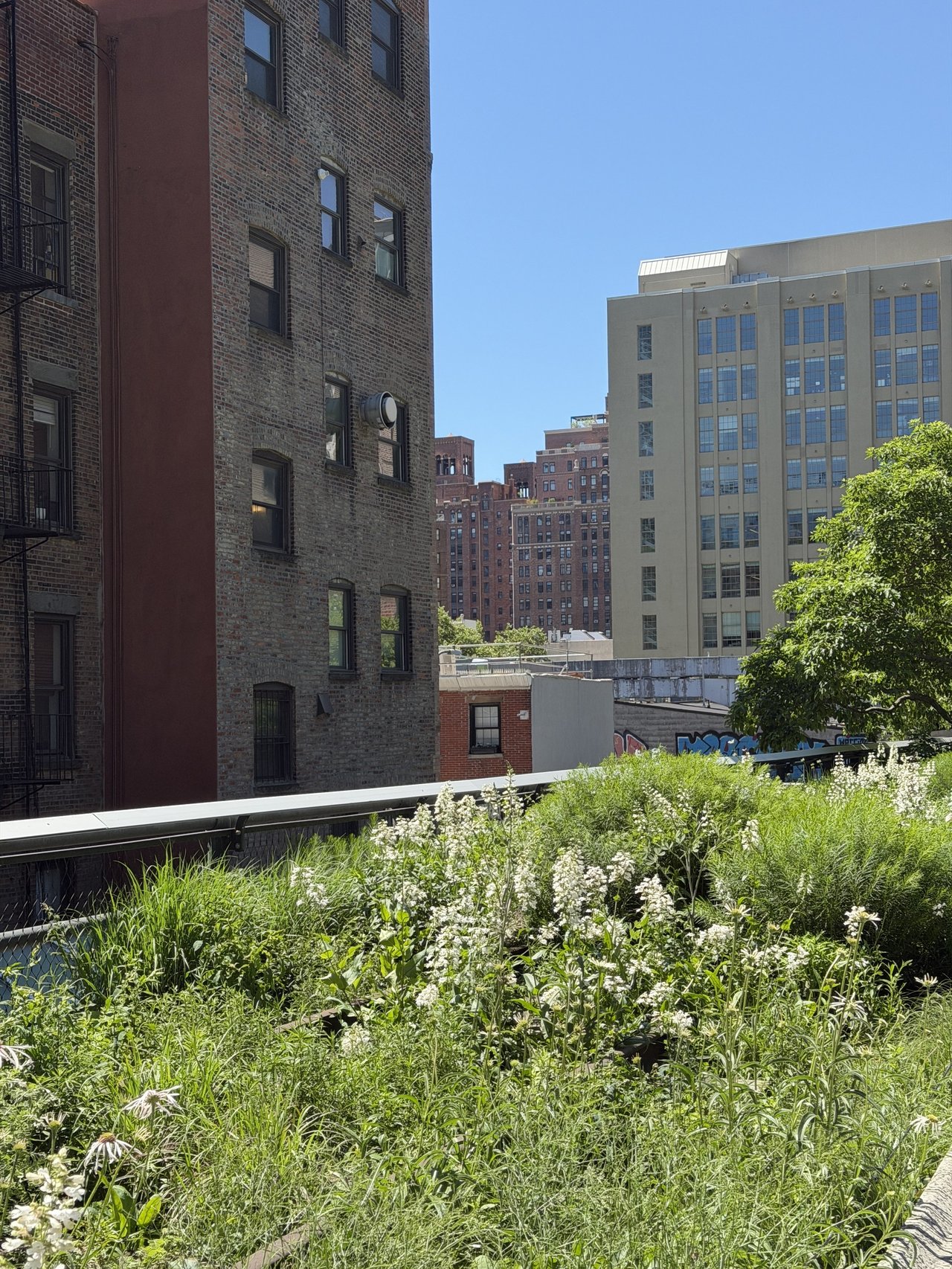
The clearest difference is the tax bill. A Chelsea townhouse is Class 1 property, which the city assesses at 6 percent of market value, with increases capped each year. A condo in the glass buildings along the High Line is Class 2, assessed at 45 percent of a market value the city works out from comparable rental buildings.
With the townhouse you own the land and the building, with no board or common charges. You carry the roof and the facade yourself while the Landmarks Preservation Commission watches the front. With the condo you pay a monthly common charge, and in many of these buildings a tax abatement is running toward its end date.
On 20th Street between Ninth and Tenth Avenues it is 1840s brick and brownstone stoops, Clement Clarke Moore's old estate, with Cushman Row's seven Greek Revival houses from 1839 and 1840 at 406 to 418 West 20th. The city made it the Chelsea Historic District in 1970.
West of Tenth it turns to glass. The High Line's last train ran in 1980. In 2005 the City Council let owners of land under the viaduct sell their unused development rights to sites on Tenth and Eleventh Avenues, which is why the towers cluster there.
On the townhouse blocks, any work that needs a Department of Buildings permit also needs Landmarks approval, and replacing a window needs a Landmarks permit even when Buildings doesn't ask for one. I cover the rest in what it means to own in a NYC historic district.
Many of the glass buildings carried a 421-a abatement, a property tax exemption for new buildings that phases out over its term. The program closed to new construction on June 15, 2022, so the abatements out there now are the last ones. The year yours ends is the year the full tax bill arrives. I walk through the step-up in what happens when a 421-a abatement ends.
Chelsea condos closed at a median of about $2.25 million in the six months to November 10, 2026. Thirteen townhouses closed in 2026 through that date, at a median of about $6 million, few enough sales that I'd treat it as a rough range.
Townhouse back rooms face other gardens and stay quiet. The High Line buildings get river light, though on the lower floors the park-side windows look straight onto the walkway. Visit at the hour you'd be home.
Decide which kind of ownership you want before you choose a block. For a townhouse, budget for the facade and ask the seller for the file of past Landmarks permits. For a condo, find the abatement end date in the offering plan and read the last two years of the building's budget. If you'd like me to pull both for a building you're considering, email me at [email protected] or call 212-516-4569.
This is general information, not tax or legal advice.
Ilana Lee, Licensed Real Estate Salesperson, ILNY. Updated November 25, 2026.
Sources
- NYC Department of Finance: Determining your assessed value
- NYC Advisory Commission on Property Tax Reform: Overview of the real property tax, July 20, 2018
- NYC Business: Performing work on a landmarked property
- NYC Landmarks Preservation Commission: Chelsea Historic District designation report, LP-0666, September 15, 1970; extension February 3, 1981
- Historic Districts Council: Oldest house in Chelsea and Cushman Row
- NYC Parks: The High Line, history
- NYC Department of City Planning: West Chelsea zoning proposal, approved June 23, 2005
- CityLand: High Line/Chelsea rezoning gets go-ahead, June 23, 2005
- amNY: High Line's third and final section is finished, September 2014
- Nixon Peabody: The developer's guide to Affordable Neighborhoods for New Yorkers (485-x), January 16, 2025
- RealPlus apartment sales analytics and townhouse market analytics, Chelsea, pulled November 10, 2026