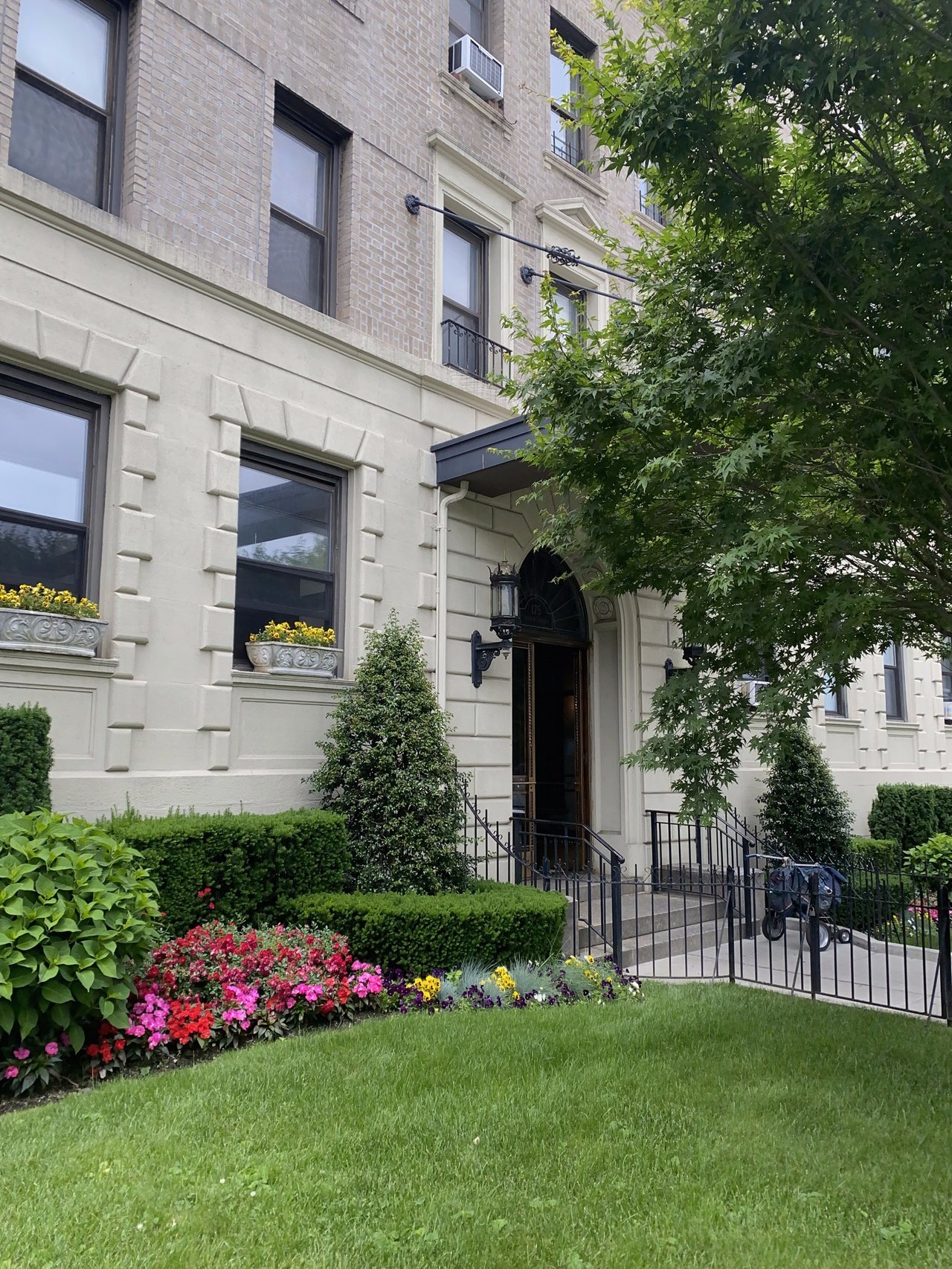
A New York apartment is priced from closed sales: recorded sales in the same building, ideally in the same line, each adjusted for whatever differs from the apartment being sold. Asking prices and portal estimates come into it only as context.
Closed sales first. A closed sale is a transaction that has completed and been recorded, at a price someone actually paid. In New York City those records live in ACRIS, the Automated City Register Information System, the Department of Finance's database of property records for Manhattan, Brooklyn, Queens and the Bronx from 1966 to the present [1]. Condo sales are recorded as deeds. Co-op sales are sales of shares in a corporation, and according to The Real Deal they were not recorded in ACRIS at all before 2003 [2]. The public record for a co-op is therefore thinner than for a condo, and brokerage listing databases, where agents report contract and closing prices, cover much of the rest.
The building, then the line. The most telling comparable is usually the same apartment on a different floor. In a New York building, apartments stacked above one another with the same letter (the 7D and the 14D, say) are called a line, and they generally share a layout and exposure. A sale in the line a year ago usually says more than a sale of a different layout across the street last month. After the line, the evidence gets thinner the further it sits from the building.
The adjustments. No two apartments are identical, so each comparable is adjusted toward the one being priced. A higher floor in the same line usually trades higher, and how much depends on what the floor changes, such as clearing a neighboring roofline. An apartment facing south over open air and one facing north onto a lot line, the property boundary a neighbor can someday build against, can share a square footage and little else. A renovation is weighed against what the same work would cost today. A terrace is valued on its usable size and on the room it opens from. Monthly carrying cost, meaning maintenance in a co-op or common charges and taxes in a condo, matters because buyers compare the total monthly bill, so higher charges pull a price down against an otherwise similar apartment. Each adjustment carries a dollar figure and a reason, so a seller can disagree with any one of them and see what it does to the number.
What the portal estimate misses. Automated estimates are built at scale from public records and listing data. Zillow reports a nationwide median error of 1.80 percent for homes on the market and 7.21 percent for homes that are not, in figures last refreshed November 2, 2026 [3]. A median error means half of estimates miss by more than that. It is the relevant figure for a seller who has not listed yet: on a $1,500,000 apartment, 7.21 percent is $108,150 in either direction. A model working from records cannot see a renovation, or the co-op sales the record never captured.
What listing above the number costs. StreetEasy's September 2026 report, published October 15, put median days on market for homes for sale at 102 in Manhattan, 77 in Brooklyn and 78 in Queens, up 11, 16 and 11 days from a year earlier [4].
What the seller ends up with. A written valuation listing each comparable by address and closing date, with every adjustment and its reason, and a price range. Where a comparable comes from a brokerage database instead of ACRIS, it says so. The asking price is the seller's decision, made with the same sales a buyer's agent will be looking at when an offer comes in.
Next step. To see what the sales in your building say, start on my selling page, or get in touch at [email protected] or 212-516-4569. If the costs of a sale are the next question, my post on what it costs to sell an apartment in New York goes through each line.
This is general information, not tax or legal advice.
Ilana Lee, Licensed Real Estate Salesperson, ILNY. Updated November 9, 2026.
Sources