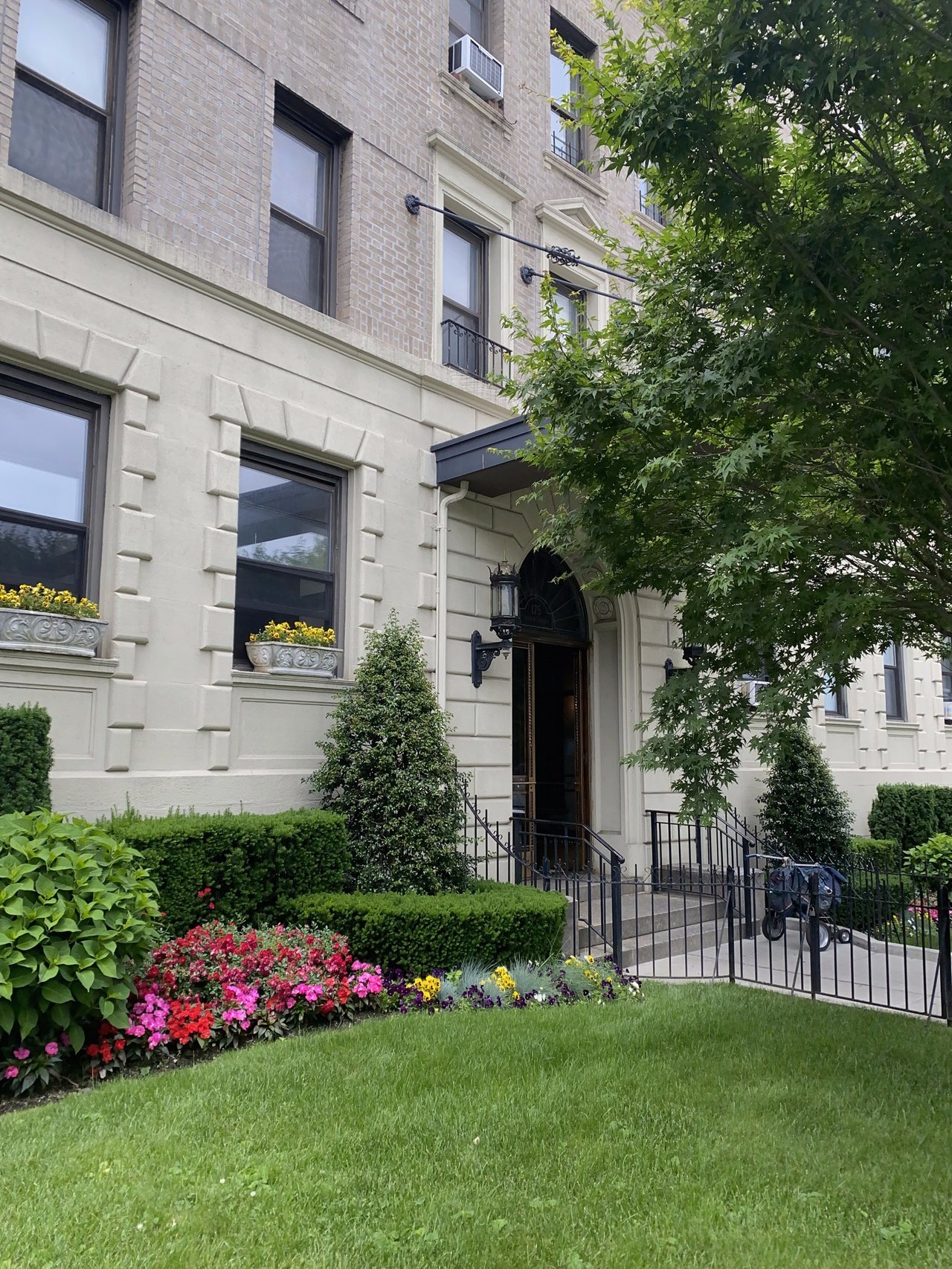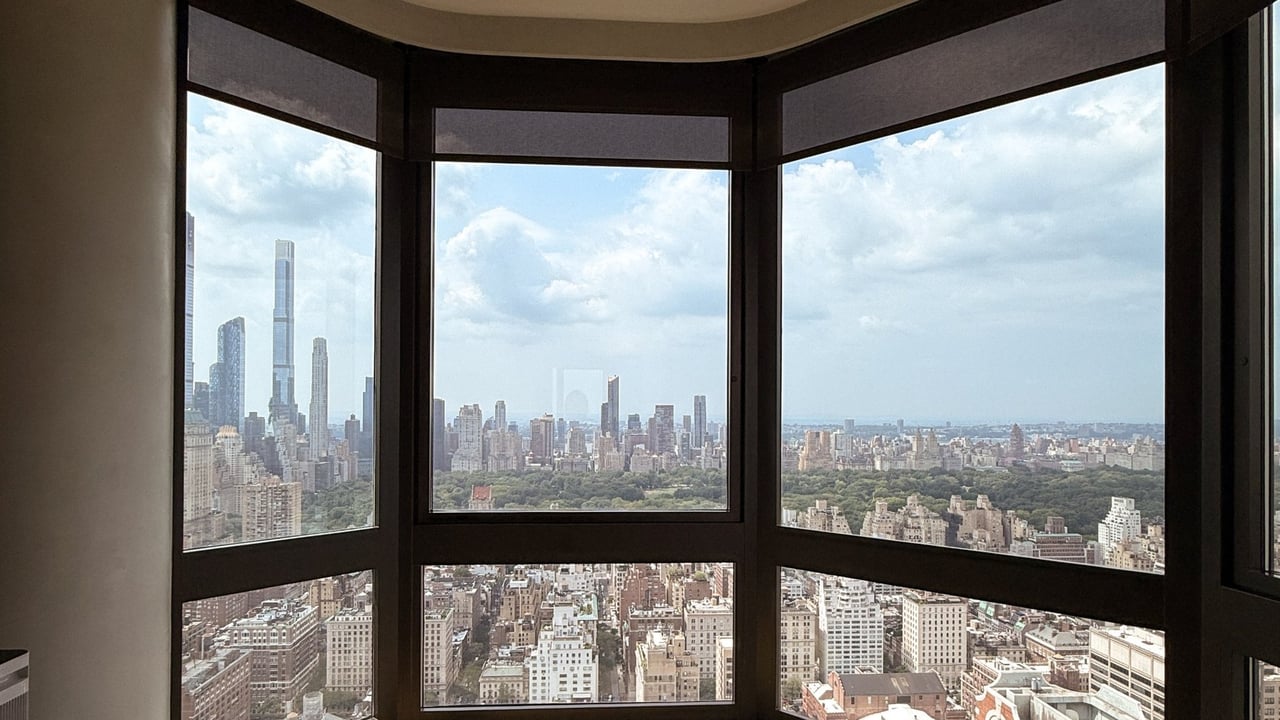
Buying an apartment in New York runs in the same order almost every time: a pre-approval, a search, an accepted offer that binds no one, a contract signed with a deposit, the loan, a board if the building is a co-op, and a closing. StreetEasy tells buyers with a mortgage to plan on about two months from offer to closing [1].
It starts with the lender. A pre-approval letter is a lender's written estimate of what it will lend you. Brick Underground says to get one before you start looking, notes that it doesn't guarantee a loan, and says it's typically good for 60 to 90 days [2]. Co-ops then set their own floor. Most co-op boards require at least 20 to 25 percent down [3], while the top prewar buildings on Park Avenue, Fifth Avenue and Central Park West historically wanted all cash; CooperatorNews reported in October 2025 that some now allow a loan of up to 50 percent of the price [4]. Boards also want post-closing liquidity, the cash you still hold after the down payment and closing costs, and Brick put the usual ask at six months to two years of maintenance in January 2025 [5]. The full cash math is in how much cash you need to buy. If you want a feel for prices first, I wrote about what $2 million buys in New York.
The next decision is what kind of building. A co-op, short for cooperative, is a corporation that owns the building. You buy shares in it and receive a proprietary lease, the document that gives you the right to live in one apartment, and you pay maintenance, a monthly charge for your share of the building's costs. A condo, short for condominium, is real property: you get a deed, pay common charges to the building and pay real estate taxes to the city on your own unit. A townhouse is a whole house on its own lot, bought by deed, with no board. Because a co-op sale passes shares instead of a deed, a co-op loan carries no mortgage recording tax [6]. The longer comparison is co-op or condo, and the history of how the city ended up this way is in why New York is full of co-ops.
Agents share listings through the Real Estate Board of New York's Residential Listing Service, the RLS, and the seller decides how far a listing travels. A Participant Only listing stays off public websites and moves agent to agent; Owner Opt Out keeps it off the RLS entirely, so agents can share it only one to one [7]. Since January 13, 2025, a REBNY agent working with a buyer in an RLS transaction needs a signed buyer agreement, and the RLS no longer carries offers of compensation to buyer's brokers [8]. Once you're reading listings, what NYC listing descriptions actually mean translates the copy.
An offer states the price, cash or a loan, any mortgage contingency and the closing date you want. After the seller accepts, "nothing legally prevents either side from walking away," in Nolo's words, until both have signed a contract [9]. Price near a tax line with care. New York State charges a 1 percent mansion tax on homes of $1 million and up, and New York City adds a supplemental tax from $2 million, so the buyer's combined rate is 1.25 percent from $2 million, 1.5 percent from $3 million, and climbs in steps to 3.9 percent at $25 million and above [10][11]. Each rate applies to the whole price, so one dollar over a line raises the tax on every dollar below it.
In New York the two sides' attorneys write and negotiate the contract of sale [9]. Before you sign, your attorney can read the last two years of board minutes, looking for capital projects mentioned without detail and for pending litigation [12]. In a one to four family house, the seller must give you a property condition disclosure statement before you sign; condos and co-ops are excluded [13]. Since March 20, 2024, a seller can no longer skip that statement by giving the buyer a $500 credit [14].
Lawyers usually take one to two weeks to finalize the contract [1]. At signing you pay a deposit, typically 10 percent of the price, which the seller's attorney holds in escrow until closing [9]; on a $2,000,000 apartment, that is $2,000,000 × 10 percent = $200,000 at signing. In new development, Brick put the standard at 20 percent in June 2021 [15]. Once you've signed, refusing to close for a reason the contract doesn't cover can cost you that deposit [9].
In a co-op or condo the lender approves the building as well as you, looking at things like the share of owner-occupied units and any large assessments coming [2]. It then issues a commitment letter, its written promise to lend. Brick warns that some letters carry conditions such as "subject to appraisal," which give the lender a way out [2]. StreetEasy puts underwriting and appraisal at 30 to 45 days [1]. A mortgage contingency lets you cancel without losing the deposit if the loan falls through [9]; waiving it puts the deposit at risk [2].
Then comes the board, if there is one. A co-op board must approve you. The package is a financial disclosure: the building's application, tax returns, bank details, references, signed house rules and consent to a credit check, and buyers who aren't U.S. residents add a green card or visa and a tax identification number [5]. A condo board usually holds only a right of first refusal, an option to buy at the contract price, which Brick calls "very rare" to exercise [16]; StreetEasy says the waiver takes a few days to a month [1]. For co-op applications filed on or after July 28, 2026, NYC's Local Law 58 sets deadlines in buildings of 10 or more units. The board has 15 days to say whether the package is complete, or it's deemed complete, then 45 days to decide, with one 14-day extension; a publicized July and August recess pauses the clock, and fines start at $1,000 [17][18]. The law doesn't make a board give a reason for saying no [18]. Before it, Brick put the usual wait for an interview at two to four weeks after a complete application (October 2022) [19]. I've written separately about what goes in a co-op board package, what a board can ask in the interview and how long it takes to buy a co-op.
StreetEasy says a firm closing date usually comes one to two weeks after approval [1]. The buyer pays the mansion tax [10]; on a $2,500,000 condo, that is $25,000 of state mansion tax ($2,500,000 × 1 percent) plus $6,250 of city supplemental tax ($2,500,000 × 0.25 percent), $31,250 in all. A loan on a condo or townhouse adds the mortgage recording tax, 1.8 percent on loans under $500,000 and 1.925 percent at $500,000 and up [21]. Title insurance runs about 0.45 percent of the price, per Brick in January 2025 [22]; co-op buyers skip it and pay for a lien search instead, around $350 [20]. Add your attorney and the lender's fees. If the apartment won't be your primary residence, read whether the pied-à-terre tax applies.
Before you bid, ask the listing agent for the building's purchase application and its financing limit. The first is what the board will read; the second tells you whether your down payment works there at all. How I work with buyers is on my buying page, and you can email me at [email protected] or call 212-516-4569.
This is general information, not tax or legal advice.
Ilana Lee, Licensed Real Estate Salesperson, ILNY. Updated November 24, 2026.
Sources
- StreetEasy: How much time is there between offer and closing?, updated January 15, 2026
- Brick Underground: How to buy an apartment in New York City: getting a mortgage, undated guide, accessed November 9, 2026
- Brick Underground: What's the difference between a condo and a co-op in NYC? Which one should you buy?, November 4, 2019
- CooperatorNews: Condo competition has high-end co-ops relaxing financing requirements, October 17, 2025
- Brick Underground: How to rejection-proof your NYC co-op or condo application package, January 7, 2025
- Brick Underground: What is the mortgage recording tax in NYC?, February 18, 2025
- Real Estate Board of New York: RLS syndication options, October 16, 2024
- Real Estate Board of New York: 2025 UCBA changes, February 11, 2025
- Nolo: New York home buyers: what does it mean to be "in contract"?, updated August 14, 2023
- NYS Department of Taxation and Finance: Real estate transfer tax, updated June 1, 2026
- NYS Department of Taxation and Finance: Instructions for Form TP-584-NYC, August 2025
- Brick Underground: How to read co-op and condo board meeting minutes in NYC, February 25, 2020
- New York State Senate: Real Property Law section 462, accessed November 9, 2026
- New York State Bar Association: PCDA amended: $500 seller credit deleted and additional questions added to PCDS, February 28, 2024
- Brick Underground: How much is a standard deposit when you're buying an apartment in NYC?, June 28, 2021
- Brick Underground: Bricktionary: right of first refusal, May 16, 2024
- Pryor Cashman: New NYC law imposes strict timelines on co-op purchase applications, February 10, 2026
- Brick Underground: Co-op boards have a new timeline to approve or reject applications, February 20, 2026
- Brick Underground: Ask an expert: how long does it take a co-op board to schedule an interview?, October 17, 2022
- Brick Underground: How much does title insurance cost in New York City?, November 14, 2022
- NYS Department of Taxation and Finance: Form MT-15, mortgage recording tax return (rate table)
- Brick Underground: The buyer's and seller's guide to NYC closing costs, January 6, 2025